To pass the FINRA Series 79, give most of your study time to data analysis and valuation, learn the offering and M&A rules by when they apply, and practise under the real clock: 75 questions in 150 minutes, with a passing score of 73. Most candidates who fail do so for predictable reasons, and this guide shows each mistake, how long to study, and how to recover if a first attempt goes wrong.
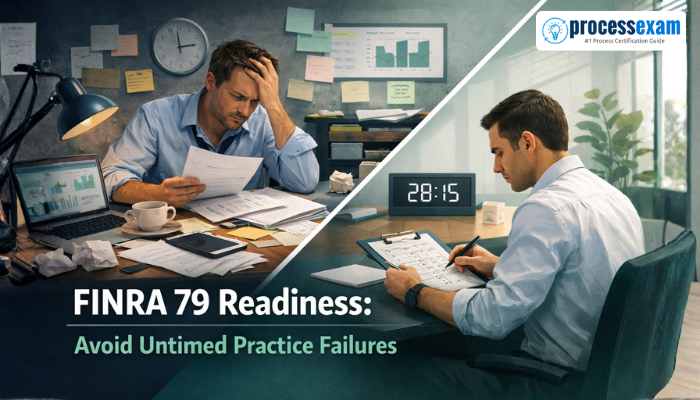
The Series 79, formally the FINRA Investment Banking Representative Exam, qualifies professionals to advise on and facilitate investment banking work: debt and equity offerings, private placements, mergers and acquisitions, tender offers and financial restructurings. It is a demanding exam because it tests judgement as much as recall. Questions describe a deal, a filing or a valuation and ask what a representative should do next.
This article keeps the practical focus of the original: the mistakes that cost candidates the exam. Around them it adds the exam facts, the content outline, a realistic study timeline, an exam-day routine and a plan for anyone who has already failed once.
What is the FINRA Series 79 exam, and who needs it?
The Series 79 is a representative-level qualification exam. Anyone at a FINRA member firm whose job involves advising on or facilitating investment banking transactions generally needs it, which usually means analysts and associates in investment banking, capital markets and corporate finance advisory teams. The registration it leads to is the Investment Banking Representative.


 You can easily pass
  You can easily pass

 You can easily pass
 You can easily pass


