
ISTQB Quality in DevOps (CT-QDO): Exam Cost and Syllabus
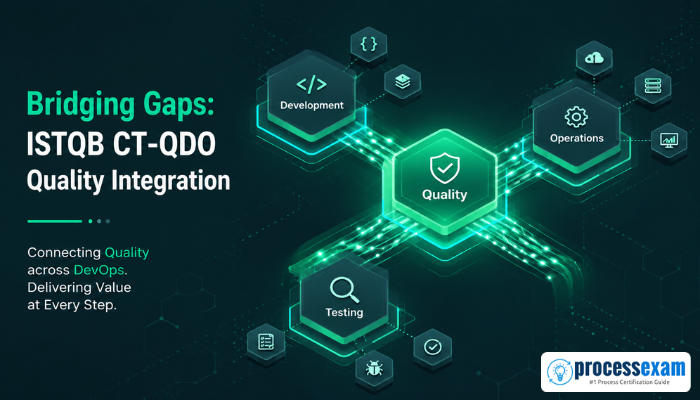
The ISTQB Certified Tester Quality in DevOps (CT-QDO) certification is specifically designed for professionals aiming to elevate their understanding and practical application of quality assurance within fast-paced DevOps environments. This credential, known by its exam code CT-QDO, validates a candidate's ability to integrate testing activities seamlessly throughout the entire software delivery pipeline, ensuring that quality is built in, not merely tested for at the end. Individuals working in roles such as testers, quality assurance engineers, DevOps engineers, and business analysts who are involved in software quality processes will find immense value in pursuing this certification. This comprehensive guide serves as your essential starting point, clarifying the certification's objectives, outlining key syllabus topics, and providing a clear pathway for effective preparation to help you achieve your ISTQB CT-QDO certification.
Understanding the ISTQB CT-QDO Certification Purpose
The ISTQB CT-QDO certification addresses a critical need in modern software development: the integration of robust quality practices into the iterative and continuous nature of DevOps. It moves beyond traditional testing methodologies, focusing on how quality assurance can proactively support and contribute to the entire DevOps concept, from initial design to deployment and operations. This certification is crucial for fostering a culture where quality is a shared responsibility, not an isolated function. It highlights the importance of collaboration, communication, and automation to achieve higher quality software releases at speed.
Who Benefits from This Certification?
This certification is tailored for a broad spectrum of IT professionals. Software testers looking to expand their skills beyond traditional models, quality assurance specialists seeking to contribute more effectively in DevOps teams, and DevOps engineers aiming to deepen their understanding of quality considerations will find the CT-QDO particularly relevant. Additionally, development managers, project managers, and business analysts who need to understand the role of quality in DevOps to make informed decisions can benefit. The core aim is to equip individuals with the knowledge to apply quality practices and testing within a continuous integration, continuous delivery, and continuous deployment (CI/CD) pipeline. It provides a structured understanding of how to build, maintain, and improve quality at every stage of the DevOps value stream. For a detailed overview of the certification and its benefits, explore the official ISTQB page.
Bridging Quality and Development
The ISTQB CT-QDO aims to bridge the historical gap between quality assurance and development teams. In traditional models, testing often occurred late in the cycle, leading to bottlenecks and costly rework. DevOps emphasizes speed and agility, which can sometimes appear to conflict with rigorous quality checks. This certification champions the "shift-left" principle, advocating for quality activities to begin as early as possible in the development lifecycle. By integrating testers and quality concerns directly into development processes, teams can identify and resolve issues much earlier, reducing overall risk and improving the efficiency of the entire pipeline. It fosters a proactive mindset where quality is a collective effort embedded in every action.
Decoding the ISTQB CT-QDO Exam Structure
Prospective candidates for the ISTQB CT-QDO certification need to be familiar with the specifics of its examination to prepare effectively. The exam, identified by the code CT-QDO, is designed to rigorously assess your understanding of quality within DevOps principles. Knowing the format helps you allocate study time and practice under similar conditions, which is essential for success.
Key Exam Specifications
The ISTQB CT-QDO exam comes with a clear set of parameters that define its scope and requirements. Understanding these specifications is your first step towards strategic preparation.
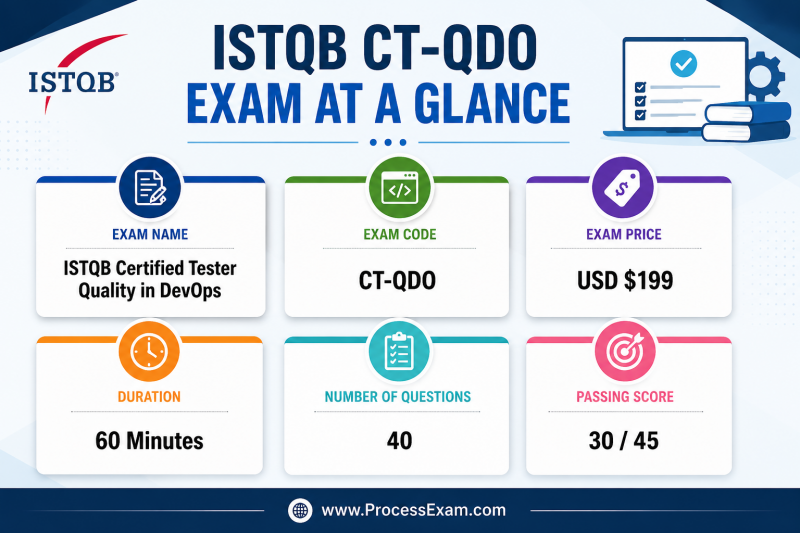
- Exam Name: ISTQB Certified Tester Quality in DevOps
- Exam Code: CT-QDO
- Exam Price: USD $199
- Duration: 60 Minutes
- Number of Questions: 40
- Passing Score: To successfully pass, candidates must achieve a score of 30 out of 45 possible points.
These details provide a framework for your study. The 60-minute duration for 40 questions means you'll need to manage your time efficiently during the exam, averaging about 1.5 minutes per question. This underscores the importance of not only knowing the material but also being able to recall and apply it quickly under pressure.
Navigating the Question Format
While specific question types are not detailed, ISTQB exams typically feature multiple-choice questions. These questions often require you to understand concepts, apply principles to scenarios, or identify the best course of action in a given situation. For the CT-QDO, this means you'll be tested on your ability to:
- Identify core DevOps concepts and how quality assurance integrates with them.
- Distinguish between automated and manual testing approaches in a DevOps context.
- Select appropriate tools and practices for supporting quality within DevOps workflows.
- Understand the responsibilities of a tester within different stages of the DevOps loop.
Familiarity with these types of application-oriented questions is crucial. Preparing by thoroughly understanding the syllabus topics and their practical implications will be more beneficial than rote memorization.
Exploring Key Knowledge Areas for ISTQB CT-QDO
The ISTQB CT-QDO syllabus is structured to provide a holistic understanding of quality assurance and testing within the DevOps paradigm. Each module builds upon the previous one, ensuring a comprehensive learning path. A deep dive into these areas reveals the specific competencies the certification aims to validate. For the most current and detailed outline, consult the official syllabus document.
Fundamentals of DevOps
This foundational section establishes a common understanding of DevOps principles, culture, and practices. It's critical to grasp how Quality Assurance is supported by and contributes to these core concepts. The syllabus expects candidates to:
- Explain how quality assurance is supported by and contributes to the DevOps concepts. This involves understanding the cultural shifts, automation goals, lean principles, and feedback mechanisms inherent in DevOps.
- Understand the concepts of implementing DevOps in an organization. This covers the challenges, benefits, and typical stages of a DevOps transformation, recognizing where quality interventions are most impactful.
This initial understanding is vital for contextualizing all subsequent quality and testing activities within a DevOps framework.
Quality Assurance (QA) and Testing in DevOps
Moving from the basics, this section focuses on the specific application of QA and testing within DevOps. It emphasizes the integration of testing activities across the entire value stream. Key areas include:
- Contributing to all value stream stages to assist in Quality Engineering. This involves understanding how testers can influence requirements, design, development, deployment, and operations to build quality in from the start.
- Contributing to the DevOps Loop Implementation. This means understanding how quality activities fit into the continuous cycle of Plan, Code, Build, Test, Release, Deploy, Operate, Monitor, and how feedback loops enhance quality.
This module underscores the continuous nature of testing and quality engineering, a departure from traditional end-of-cycle testing.
Automated and Manual Tasks in DevOps
Automation is a cornerstone of DevOps, and this module explores its role in quality assurance, alongside the strategic use of manual testing. Candidates should be able to:
- Describe how automation supports quality assurance in DevOps. This includes identifying various types of automated tests (unit, integration, system, performance, security) and their respective benefits and challenges.
- Implement automated testing in DevOps teams. This covers aspects like test automation frameworks, continuous integration with test execution, and managing automated test environments.
- Implement manual testing in DevOps teams. Recognizing that not everything can or should be automated, this section focuses on the value of exploratory testing, usability testing, and other manual approaches, especially for rapid feedback and complex scenarios.
The balance between automated efficiency and manual insight is a key theme here.
Tools and Practices in DevOps
Finally, this module focuses on the practical tools and practices that enable quality in a DevOps context. Knowledge of these elements is crucial for effective implementation. Candidates need to:
- Select tools supporting DevOps within the organization. This involves understanding different categories of tools (version control, CI/CD, configuration management, monitoring, testing tools) and how they integrate to support quality objectives.
- Understand technologies and practices to support quality in DevOps. This includes concepts like containerization, microservices, cloud platforms, infrastructure as code, and security practices (DevSecOps), and how they impact quality.
This section equips candidates with the knowledge to make informed decisions about technology stacks and operational practices that bolster quality.
Integrating Quality into DevOps Workflows
Effectively integrating quality into DevOps workflows means moving beyond a reactive stance to a proactive strategy where quality is intrinsic to every step. This paradigm shift requires a deep understanding of how testing and quality assurance principles can be applied continuously and collaboratively. A comprehensive guide to integrating these principles can be found by exploring the full ISTQB Certified Tester Quality in DevOps resource.
Shifting Left for Proactive Quality
One of the most powerful concepts in modern quality assurance, especially within DevOps, is "shifting left." This means moving quality activities and concerns earlier in the software development lifecycle. Instead of finding defects just before release, shift-left encourages:
- Early Involvement: Testers and QA professionals participate in requirement gathering, design reviews, and architecture discussions. Their insights help prevent defects from being coded in the first place.
- Automated Feedback: Implementing automated tests (unit, integration, API) as soon as code is written provides immediate feedback to developers, allowing for quick fixes and preventing issues from propagating downstream.
- Static Code Analysis: Tools that analyze code for potential vulnerabilities or bad practices before execution help maintain code quality and security from the outset.
- Peer Reviews: Encouraging developers to review each other's code helps catch logical errors and maintain coding standards, fostering a culture of shared responsibility for quality.
By shifting left, teams can significantly reduce the cost and effort of defect resolution, improve development speed, and enhance overall product quality.
Continuous Feedback and Improvement Loops
DevOps thrives on continuous feedback, and quality assurance plays a pivotal role in this. Feedback loops are not just about reporting bugs; they're about learning and adapting at every stage.
- In-Sprint Testing: Integrating testing activities directly into development sprints ensures that quality is checked continuously as features are built.
- Automated Pipelines: CI/CD pipelines automate the build, test, and deployment process, providing rapid feedback on code changes and their impact on quality.
- Monitoring and Observability: Post-deployment, robust monitoring tools gather data on application performance, errors, and user behavior. This operational feedback is crucial for identifying production issues quickly and informing future development cycles.
- Retrospectives and Reviews: Regular team discussions (retrospectives) help analyze what went well and what could be improved in both development and quality processes, leading to continuous process enhancement.
These continuous feedback mechanisms empower teams to iterate quickly, fix issues proactively, and continuously refine their approach to delivering high-quality software.
Mastering Continuous Testing Strategies for DevOps
Continuous testing is not merely executing tests continuously; it's about integrating testing as an integral part of the software delivery pipeline, providing continuous feedback on business risks associated with the software release candidate. This means embracing automation, optimizing test portfolios, and fostering a collaborative environment where testing is everyone's responsibility.
Automating Tests Across the Pipeline
The sheer speed and volume of changes in a DevOps environment necessitate extensive test automation. Manual testing alone cannot keep up. Effective automation means:
- Unit Tests: Developers write tests for individual code components, ensuring they function as expected. These are fast and provide immediate feedback.
- Integration Tests: These verify the interaction between different modules or services, ensuring they work together correctly.
- API Tests: Focusing on the interfaces between applications, API tests are faster and more stable than UI tests, providing excellent coverage for business logic.
- UI Tests: While often brittle, automated UI tests validate the end-user experience for critical workflows. These should be judiciously chosen and maintained.
- Performance Tests: Automated load and stress tests ensure the application can handle expected user traffic and perform reliably under various conditions.
- Security Tests: Integrating automated security scans (SAST, DAST) into the pipeline helps identify vulnerabilities early, embodying the DevSecOps principle.
The goal is to create a robust test pyramid, with a large number of fast unit tests at the base, fewer integration/API tests, and even fewer, well-chosen UI and end-to-end tests at the top. This layered approach ensures comprehensive and efficient feedback.
Selecting Appropriate Test Approaches
No single testing approach fits all scenarios in DevOps. A skilled quality professional understands how to select and combine various strategies to achieve optimal coverage and feedback.
- Exploratory Testing: While automation handles repetitive checks, manual exploratory testing by experienced testers is crucial for discovering new defects, verifying usability, and ensuring intuitive user experiences.
- Test Data Management: Generating and managing realistic, representative test data is vital for effective testing. This often involves automated data creation and anonymization tools.
- Service Virtualization: In complex microservices architectures, service virtualization allows teams to simulate unavailable or unstable dependencies, enabling parallel development and testing.
- Monitoring and Feedback from Production: Continuous monitoring of applications in production provides invaluable real-world insights into system behavior and potential quality issues that might have been missed in pre-production environments. This "test in production" approach, when done carefully, completes the continuous testing loop.
- Chaos Engineering: Deliberately injecting failures into a system to test its resilience and recovery mechanisms is an advanced testing strategy that helps build more robust and reliable applications.
By strategically combining these approaches, teams can maximize their confidence in software releases while maintaining the velocity that DevOps demands.
Crafting Your ISTQB CT-QDO Preparation Plan
Successful certification depends not just on theoretical knowledge, but on a structured and consistent preparation approach. The ISTQB CT-QDO exam covers a broad spectrum of topics, requiring a thoughtful study plan.

Utilizing Official Syllabus and Resources
Your primary guide for preparation should always be the official ISTQB CT-QDO syllabus. It explicitly outlines all the learning objectives and topics that will be covered in the exam.
- Thorough Review: Read the syllabus multiple times to understand the depth and breadth of each topic. Highlight areas where your knowledge is weak.
- Reference Materials: The syllabus often recommends specific textbooks or resources. Investing in these materials and studying them diligently can provide the detailed explanations you need.
- Training Courses: Consider enrolling in an accredited training course. These courses are specifically designed to cover the syllabus in detail, often with experienced instructors who can provide practical insights and answer your questions. Many training providers offer structured learning paths that align directly with the exam objectives.
- Online Communities: Engage with online forums and communities dedicated to ISTQB certifications or DevOps quality. These platforms offer opportunities to ask questions, share insights, and learn from others' experiences.
A deep understanding of the syllabus content is non-negotiable for passing this certification. Ensure you can not only define concepts but also apply them in various scenarios.
The Value of Practice Questions
One of the most effective strategies for preparing for any certification exam, including the ISTQB CT-QDO, is to work through a wide variety of practice questions. Practice questions serve multiple purposes beyond just testing your knowledge:
- Identify Knowledge Gaps: Incorrectly answered questions highlight specific areas where your understanding is weak, allowing you to revisit and strengthen those topics.
- Familiarize with Exam Format: Repeated exposure to exam-style questions helps you become comfortable with the question structure, wording, and potential ambiguities, reducing anxiety on exam day.
- Time Management: Practicing under timed conditions, simulating the actual 60-minute exam, helps you develop effective time management strategies, ensuring you can complete all 40 questions within the allotted time.
- Reinforce Learning: Explanations for correct and incorrect answers provide valuable learning opportunities, solidifying your understanding of the underlying concepts.
While studying the syllabus is critical, practical application through sample questions is equally important. You can find high-quality ISTQB CT-QDO certification exam sample questions to aid your preparation. Remember to focus on understanding the reasoning behind each answer, rather than just memorizing the correct option.
Applying DevOps Quality Assurance Best Practices
Successfully implementing quality assurance within a DevOps framework goes beyond simply running tests; it involves adopting a set of best practices that foster a continuous culture of quality. These practices ensure that quality is a shared responsibility and an integrated part of every process.
Cultivating a Quality Culture
A true DevOps quality culture is built on collaboration, communication, and a shared commitment to excellence. It’s not just about tools and automation, but about people and processes.
- Shared Responsibility: Everyone in the team—developers, testers, operations, product owners—is accountable for quality. This breaks down silos and encourages a collective ownership mindset.
- Early and Frequent Feedback: Establishing mechanisms for rapid feedback loops ensures that issues are detected and addressed as early as possible. This includes automated test results, code review comments, and production monitoring alerts.
- Blameless Postmortems: When incidents occur, the focus should be on understanding the root cause and improving processes, not on assigning blame. This fosters psychological safety and encourages learning from mistakes.
- Continuous Learning and Improvement: Encouraging teams to constantly learn new tools, techniques, and best practices helps them adapt to evolving challenges and continuously enhance their quality engineering capabilities. This includes regular training, knowledge sharing sessions, and participation in industry conferences.
Building this kind of culture takes time and consistent effort, but it yields significant dividends in terms of product quality, team morale, and organizational efficiency.
Tooling for Enhanced Visibility
The right set of tools is essential for enabling DevOps quality assurance. Tools provide automation, visibility, and control across the entire pipeline.
- Version Control Systems: Tools like Git are fundamental for managing code changes, enabling collaboration, and providing a clear history of modifications.
- Continuous Integration/Continuous Delivery (CI/CD) Pipelines: Jenkins, GitLab CI/CD, Azure DevOps, and similar tools automate the build, test, and deployment processes, acting as the backbone of continuous quality.
- Test Automation Frameworks: Selenium for UI testing, JUnit/NUnit for unit testing, Postman/RestAssured for API testing—these frameworks facilitate the creation and execution of automated tests.
- Static and Dynamic Application Security Testing (SAST/DAST): Tools like SonarQube, Checkmarx (SAST) or OWASP ZAP (DAST) integrate security testing into the pipeline, helping to find vulnerabilities early.
- Monitoring and Observability Platforms: Prometheus, Grafana, ELK Stack, Splunk, Datadog—these tools provide real-time insights into application performance, logs, and metrics in production, enabling proactive issue detection and resolution.
- Collaboration Tools: Slack, Microsoft Teams, Jira—these facilitate seamless communication and workflow management among team members, ensuring everyone is on the same page regarding quality goals.
Selecting and integrating these tools thoughtfully creates an environment where quality is transparent, traceable, and continuously managed.
Overcoming Common Challenges in CT-QDO Readiness
Preparing for any professional certification, especially one as comprehensive as ISTQB CT-QDO, can present its own set of challenges. Recognizing these hurdles in advance allows you to strategize and navigate your study path more effectively, ensuring a smoother journey towards certification.
Avoiding Shortcuts and Dumps
One of the most significant temptations and pitfalls for certification candidates is resorting to "exam dumps." These are often collections of past exam questions, sometimes with incorrect answers, illegally acquired and distributed. While they might seem like a quick way to pass, relying on dumps is detrimental for several critical reasons:
- Ethical Violation: Using exam dumps is a breach of the ISTQB Code of Ethics and can lead to your certification being revoked.
- Lack of Real Knowledge: Memorizing answers from dumps does not equip you with a genuine understanding of the concepts. You might pass the exam, but you won't gain the practical skills needed for real-world application, diminishing the value of the certification.
- Outdated Information: Dumps are often outdated and do not reflect the current syllabus or question patterns, leading to failure.
- Unreliable Answers: The answers provided in dumps are frequently incorrect or misleading, further hindering your learning.
The best approach is always through diligent study of the official syllabus, recommended textbooks, and legitimate practice questions. Focus on comprehension and application, not memorization. Your goal should be to truly master the content, as this is what will ultimately advance your career.
Effective Time Management and Study Habits
Balancing study with existing work and personal commitments requires disciplined time management and effective study habits. Without these, even the best resources can be ineffective.
- Create a Study Schedule: Develop a realistic study schedule that allocates specific times for each syllabus topic. Consistency is key, even if it's just 30 minutes a day.
- Break Down Topics: The ISTQB CT-QDO syllabus is extensive. Break it down into smaller, manageable chunks. Focus on one or two learning objectives at a time before moving on.
- Active Learning: Don't just passively read. Engage with the material by taking notes, summarizing concepts in your own words, creating flashcards, or explaining topics to a study partner.
- Regular Practice: Incorporate regular practice with sample questions throughout your study period, not just at the end. This helps reinforce learning and builds exam confidence.
- Review and Revise: Periodically review previously studied topics to ensure retention. Spaced repetition is highly effective for long-term memory.
- Prioritize Self-Care: Ensure you get enough sleep, maintain a healthy diet, and take regular breaks. Burnout is counterproductive to effective learning.
By adopting these practices, you can make your preparation journey more efficient, less stressful, and ultimately more successful.
Advancing Your Career with ISTQB CT-QDO Skills
Earning the ISTQB CT-QDO certification signifies more than just passing an exam; it demonstrates a commitment to professional growth and an understanding of highly relevant skills in today's technology landscape. This credential can significantly impact your career trajectory.
Demonstrating Expertise to Employers
In a competitive job market, certifications like ISTQB CT-QDO act as a powerful differentiator. It's a tangible proof of your expertise in integrating quality into DevOps, a skill set highly sought after by organizations.
- Increased Employability: Employers actively seek professionals who can ensure software quality while maintaining the speed of DevOps. This certification makes you a more attractive candidate for roles like DevOps Test Engineer, QA Lead in Agile/DevOps, or Release Engineer.
- Higher Earning Potential: Specialized skills in high-demand areas often command higher salaries. The ability to contribute to faster, higher-quality software releases is a valuable asset that employers are willing to pay for.
- Enhanced Credibility: ISTQB is a globally recognized and respected certification body. Holding an ISTQB credential lends significant credibility to your professional profile, indicating a foundational understanding of industry best practices.
- Leadership Opportunities: With a strong grasp of Quality in DevOps, you can take on leadership roles, guiding teams in implementing continuous testing, improving CI/CD pipelines, and fostering a quality-first culture.
The certification validates your capability to perform a specific, critical function, making you a more valuable asset to any organization adopting or scaling DevOps practices.
Contributing to Organizational Excellence
Beyond individual career benefits, professionals with ISTQB CT-QDO skills directly contribute to the overall success and excellence of their organizations.
- Faster Time-to-Market: By embedding quality throughout the DevOps pipeline, organizations can release software more frequently and reliably, accelerating their time-to-market for new features and products.
- Reduced Operational Costs: Proactive quality assurance minimizes defects, rework, and production incidents, leading to significant cost savings in development, maintenance, and support.
- Improved Customer Satisfaction: Delivering high-quality, stable software that meets user expectations directly translates to increased customer satisfaction and loyalty.
- Enhanced Business Agility: A robust quality-in-DevOps strategy enables organizations to respond more quickly and effectively to market changes, competitive pressures, and evolving customer demands.
- Stronger Security Posture: By integrating security testing into the continuous quality process (DevSecOps), organizations can build more secure applications, protecting sensitive data and maintaining trust.
Professionals certified in ISTQB CT-QDO are not just testers; they are integral contributors to organizational efficiency, innovation, and strategic advantage in the digital age.
Solidifying Your Readiness for the CT-QDO Exam
As you near the final stages of your ISTQB CT-QDO preparation, the focus shifts from learning new concepts to refining your existing knowledge and building confidence. This phase is crucial for ensuring you are thoroughly prepared for the exam experience.
Structured Review and Self-Assessment
Effective final preparation involves more than just a quick reread of your notes. It requires a structured approach to review and honest self-assessment.
- Syllabus Cross-Check: Go through the official syllabus one last time, ticking off each learning objective. For any objective you feel less confident about, dedicate extra time for review.
- Concept Mapping: Create mind maps or flowcharts to connect related concepts across different syllabus modules. This helps reinforce your understanding of how various elements of Quality in DevOps integrate.
- Flashcard Review: Use flashcards for key definitions, terms, and acronyms. This is an efficient way to drill down on factual recall.
- Peer Discussion: If possible, discuss challenging topics with a study partner or mentor. Explaining concepts to others often reveals gaps in your own understanding.
- Self-Quizzing: Regularly quiz yourself on random topics from the syllabus. This active recall method is far more effective than passive re-reading.
The goal of this phase is not to cram, but to consolidate your knowledge, identify any lingering weak spots, and ensure a robust understanding of the entire CT-QDO domain.
Simulating the Exam Environment
The actual exam experience can be daunting, but simulating it during practice can significantly reduce anxiety and improve performance.
- Timed Practice Tests: Take full-length practice exams under strict time limits (60 minutes for 40 questions). This helps you get accustomed to the pace required and manage your time effectively.
- Quiet Environment: Find a quiet, distraction-free space that mimics an exam room as closely as possible. Avoid interruptions during your practice sessions.
- Review Mistakes: After each practice test, don't just look at your score. Critically analyze every question you got wrong and understand why. More importantly, review questions you answered correctly but were unsure about.
- Build Stamina: Completing a full 60-minute exam requires mental stamina. Regular practice tests help build this endurance, ensuring you remain focused throughout the actual test.
- Develop a Strategy: Experiment with different test-taking strategies. For example, some candidates prefer to answer all easy questions first and then return to harder ones. Find what works best for you.
This simulated experience is invaluable for building the confidence and composure needed to perform optimally on the day of your ISTQB CT-QDO examination.
In conclusion, the ISTQB CT-QDO certification is a powerful credential for any professional looking to master the art of integrating quality into the dynamic world of DevOps. It offers a structured pathway to understanding continuous testing, automation, and the cultural shifts necessary for delivering high-quality software at speed. By diligently studying the comprehensive syllabus, embracing best practices, and committing to thorough preparation, you are not just passing an exam; you are investing in a skill set that is critical for modern software development and invaluable for your career advancement.
Ready to take the next step in your preparation? Don't leave your success to chance. Enhance your understanding and build confidence with quality practice resources. For a complete collection of resources and to practice with scenario-based questions that mirror the actual exam, visit ISTQB Certified Tester Quality in DevOps practice exam. Start your journey towards mastering Quality in DevOps today and unlock new opportunities in your professional life.
Frequently Asked Questions
1. What is the ISTQB CT-QDO certification?
The ISTQB Certified Tester Quality in DevOps (CT-QDO) certification validates an individual's understanding of how to integrate quality assurance and testing effectively within a DevOps environment. It focuses on applying quality principles throughout the entire software delivery lifecycle.
2. Who is the target audience for the ISTQB CT-QDO exam?
This certification is ideal for software testers, QA engineers, DevOps engineers, business analysts, and anyone involved in ensuring software quality within an Agile or DevOps context who wishes to enhance their skills in continuous quality engineering.
3. What are the prerequisites for the ISTQB CT-QDO certification?
While there are no formal prerequisites to take the exam, it is highly recommended that candidates hold the ISTQB Foundation Level certification and have practical experience in Agile or DevOps environments to fully grasp the concepts.
4. How long is the ISTQB CT-QDO certification valid?
ISTQB certifications, including CT-QDO, typically do not expire. However, the ISTQB periodically updates its syllabi to reflect industry changes, so it's advisable for certified professionals to stay updated with the latest practices and knowledge.
5. What kind of preparation is recommended for the ISTQB CT-QDO exam?
Effective preparation includes thorough study of the official ISTQB CT-QDO syllabus, reviewing recommended reading materials, attending an accredited training course, and practicing with sample questions under timed conditions to familiarize yourself with the exam format and manage time efficiently.
- Specialist |
- ISTQB Quality in DevOps Test Questions |
- CT-QDO Question Bank |
- CT-QDO Body of Knowledge (BOK) |
- CT - Quality in DevOps Simulator |
- CT - Quality in DevOps Mock Exam |
- ISTQB Quality in DevOps Book |
- ISTQB CT-QDO BOK PDF |
- Quality in DevOps Certification Cost |
- Quality in DevOps Certification Requirements |
- ISTQB CT - Quality in DevOps Question Bank |
- ISTQB CT - Quality in DevOps Book |
- ISTQB CT - Quality in DevOps Study Guide |
- CT - Quality in DevOps Certification |
- CT - Quality in DevOps Certification Cost |
- CT - Quality in DevOps Certification Requirements |
- ISTQB Quality in DevOps Sample Questions |
- CT-QDO Exam Questions Download |
- CT-QDO Test Questions |
- Quality in DevOps PDF |
- ISTQB CT - Quality in DevOps Exam Questions |
- ISTQB CT - Quality in DevOps Sample Questions |
- CT - Quality in DevOps |
- CT - Quality in DevOps PDF


