A retail replatform ran as strict Waterfall: nine months of requirements, one go-live date, a change board for every amendment. By month four the business had rethought checkout, the specification was frozen, and the team shipped the document rather than the product. The rework cost more than the original build. Waterfall was not the problem; it was the wrong fit. There is no best project management methodology, only the one that matches your scope, your rate of change and your governance.
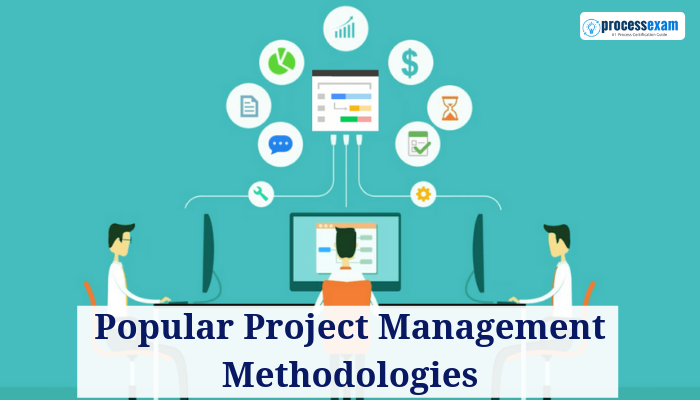
That mismatch is the real question hiding behind “which methodology is best”. This guide maps eight approaches – Waterfall, Agile, Scrum, Kanban, Lean, Six Sigma, PRINCE2 and hybrid – and for each one explains what it actually changes about how work is planned, controlled and handed over, where it breaks, and which credential proves you can run it. Treat it as a decision aid rather than a ranking.
What separates one project management methodology from another?
Strip away the vocabulary and the eight approaches differ on one thing above all: when the scope is decided. Everything else – the ceremonies, the documents, the roles, the reporting – follows from that single choice. Decide the scope once at the start and you need change control, stage gates and a detailed plan. Decide it repeatedly as you learn, and you need short cycles, a prioritised backlog and someone empowered to say what comes next.
That gives three families, plus a deliberate blend: