
Master PMI Certs: Strategic Choices Begin with Best Mock Exams
Navigating the diverse landscape of Project Management Institute (PMI) certifications requires a strategic approach, particularly when determining the optimal credential for your career trajectory. The PMI offers a wide array of certifications, including the widely recognized Project Management Professional (PMP), Certified Associate in Project Management (CAPM), Agile Certified Practitioner (PMI-ACP), Business Analysis Professional (PMI-PBA), Risk Management Professional (PMI-RMP), and others such as PgMP, PfMP, PMI-CPMAI, PMI-SP, PMI-PMOCP, and GPM-b. These credentials validate specialized skills in various project, program, and portfolio management domains, making them crucial for professionals seeking career advancement and industry recognition. This comprehensive article delves into selecting the right PMI certification for your goals and emphasizes how the best PMI mock exam resources are indispensable for effective preparation and ensuring exam readiness.
Deciphering the PMI Certification Landscape
The Project Management Institute provides a robust framework of certifications designed to validate expertise across different levels and specializations within project, program, and portfolio management. Each certification targets distinct professional roles and experience levels, from entry-level project support to senior executive leadership. Understanding these distinctions is fundamental to making an informed choice that aligns with your professional journey. Exploring the various options available on the PMI certifications page can help clarify the scope of each credential.
Entry and Mid-Level Certifications
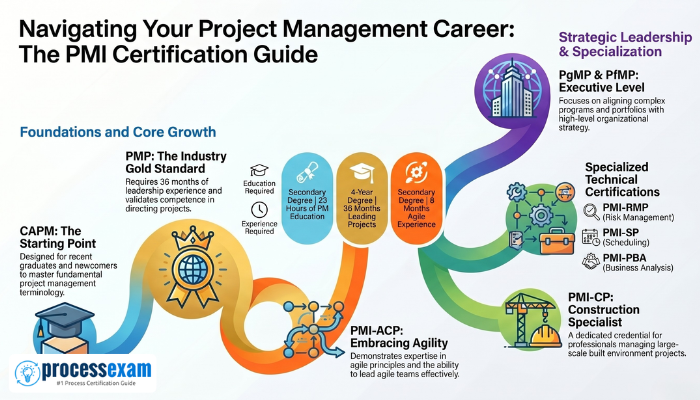
The Certified Associate in Project Management (CAPM) certification is ideal for individuals new to project management, those looking to gain foundational knowledge, or professionals in support roles. It demonstrates an understanding of the fundamental project management principles and terminology outlined in the PMBOK Guide. For aspiring project managers, obtaining the PMI CAPM credential establishes a strong entry point into the profession.
The Project Management Professional (PMP) is globally recognized as the gold standard for project managers. It validates a practitioner’s ability to lead and direct projects and teams, delivering results within various constraints. Candidates typically possess substantial project leadership experience. Achieving the PMI PMP signifies proven competence and dedication to the project management profession, opening doors to advanced roles and increased earning potential.
Specialized Domain Certifications
For those immersed in agile methodologies, the PMI Agile Certified Practitioner (PMI-ACP) validates knowledge of agile principles, practices, tools, and techniques across various agile approaches. This includes Scrum, Kanban, Lean, extreme programming (XP), and test-driven development (TDD). Project professionals seeking to enhance their agile expertise benefit greatly from the PMI-ACP certification.
The PMI Risk Management Professional (PMI-RMP) focuses on professionals specializing in project risk management. It validates expertise in assessing and identifying project risks, mitigating threats, and capitalizing on opportunities. This certification is critical for roles requiring a deep understanding of risk strategies. Professionals aiming to hone their skills in risk identification and mitigation will find the PMI-RMP credential invaluable.
Similarly, the PMI Business Analysis Professional (PMI-PBA) is designed for individuals who work with stakeholders to define requirements, shape project outputs, and drive successful business outcomes. It highlights expertise in business analysis tasks such as needs assessment, planning, analysis, monitoring, and evaluation. Business analysts looking to formalize their expertise can explore the PMI-PBA certification.
The PMI Scheduling Professional (PMI-SP) acknowledges specialized expertise in developing, maintaining, and analyzing project schedules. This credential is for project managers or schedulers who possess a comprehensive understanding of scheduling best practices and techniques. Individuals focused on optimizing project timelines should consider the PMI-SP certification.
Advanced and Emerging Certifications
The Program Management Professional (PgMP) is tailored for professionals managing multiple related projects in a coordinated way to achieve benefits not available from managing them individually. This certification recognizes advanced experience and skill in program management. Senior professionals overseeing complex, strategic initiatives will find the PMI PgMP essential.
The Portfolio Management Professional (PfMP) is for those managing a portfolio of projects and programs to align with organizational strategic objectives. It validates expertise in selecting, prioritizing, and managing a collection of programs and projects that meet an organization's strategic goals. Executive-level professionals responsible for organizational strategy and investment decisions can pursue the PMI PfMP.
The PMI Project Management Office Certified Professional (PMI-PMOCP) targets individuals involved in managing or leading a Project Management Office (PMO). It acknowledges expertise in establishing, managing, and evolving PMO functions to support organizational project delivery. Professionals guiding organizational project standards and practices will benefit from the PMI-PMOCP.
The PMI Construction Professional (PMI-CP) is a newer offering focused on project management within the construction industry, addressing its unique challenges and practices. Construction professionals seeking to validate their specialized project management skills can explore the PMI Construction Professional credential.
The PMI Citizen Developer Practitioner (PMI-CDP) and PMI Citizen Developer Architect (PMI-CDA), alongside the PMI Certified in Disciplined Agile (PMI-CDA) series, reflect the evolving landscape of project delivery and technological innovation. The PMI-CPMAI certification specifically addresses the application of Artificial Intelligence in project management, a rapidly growing area. The PMI-CPMAI certification helps project managers leverage AI tools and techniques to enhance project outcomes.
Finally, the Green Project Manager - Basic (GPM-b) certification, recognized by PMI, focuses on integrating sustainability practices into project management. It addresses environmental, social, and economic responsibility within projects. Professionals committed to sustainable project delivery can consider the GPM-b certification.
Identifying Your Ideal PMI Certification Path
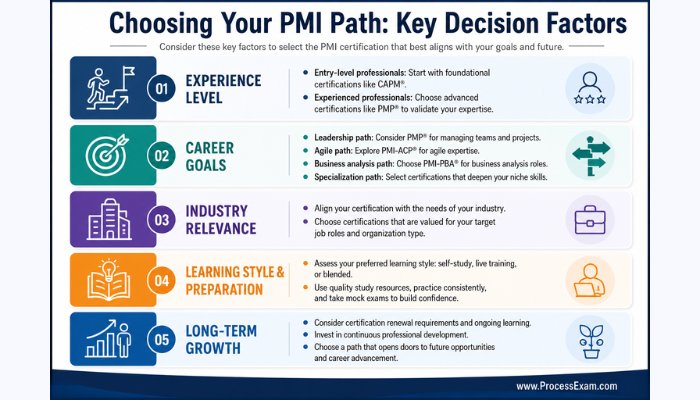
Choosing the "best PMI certification" is highly subjective and depends entirely on your individual career stage, professional aspirations, and current responsibilities. A thoughtful self-assessment can clarify which credential will yield the most significant impact on your professional growth and marketability. It's not about finding a universally superior certification, but rather the one that best fits your unique circumstances.
Assessing Experience and Role
Your current level of experience is a primary determinant. If you are just starting your project management journey or have limited project experience, the CAPM is an excellent stepping stone. It provides a foundational understanding without requiring extensive project leadership hours. Conversely, if you have several years of experience leading projects, the PMP is likely the appropriate choice, signaling your readiness for more complex project leadership roles. Evaluate your responsibilities: are you actively leading projects, or are you supporting project activities?
Aligning with Career Aspirations
Consider where you envision your career in the next five to ten years. Do you aspire to manage large programs, oversee portfolios of strategic initiatives, or specialize in agile transformations?
For example:
-
If your goal is strategic oversight of multiple projects, PgMP or PfMP would be more relevant.
-
If you are moving into agile team leadership, PMI-ACP is crucial.
-
If you aim to specialize in a particular aspect like risk or business analysis, PMI-RMP or PMI-PBA offers focused expertise.
This forward-looking perspective ensures your chosen certification serves as a true accelerator for your desired career trajectory.
Industry and Domain Relevance
Different industries often favor specific project management approaches or certifications. For instance, the IT sector widely embraces agile, making PMI-ACP highly valuable. The construction industry might prioritize traditional project management with specialized knowledge, making the PMI-CP relevant. Reflect on your industry and any specialized domains within it. Does your organization or target industry have a preference for certain credentials? Understanding industry demand and common practices can significantly inform your decision. For more insights on finding the right PMI certification, consider exploring detailed guidance on the official PMI certifications page.
The Crucial Role of Mock Exams in PMI Preparation
Mock exams are not merely practice tests; they are indispensable tools that simulate the real examination environment, helping candidates gauge their readiness and refine their test-taking strategies. For a demanding certification like the PMP or PMI-ACP, simply knowing the content is often not enough; mastering the exam format and time constraints is equally vital. The best PMI PMP Project Management Professional mock exam resources offer a realistic preview that can significantly boost confidence and improve performance on test day.
Simulating Exam Conditions
High-quality mock exams replicate the actual exam’s format, question types, time limits, and even the user interface. This immersive experience helps reduce anxiety on the actual test day because candidates are already familiar with the environment. It allows you to practice under pressure, identifying how you respond to challenging questions when the clock is ticking. This simulation is crucial for developing mental resilience and strategic pacing.
Identifying Knowledge Gaps
One of the most valuable aspects of mock exams is their ability to pinpoint areas where your understanding is weak. After completing a mock test, a detailed performance report typically highlights topics or domains where you scored lower. This targeted feedback allows you to refine your study plan, focusing your efforts on specific areas that require more attention. Without this diagnostic capability, studying can be less efficient and more generalized.
Developing Time Management Skills
PMI exams are often lengthy and require careful time management. Mock exams provide the perfect platform to practice allocating your time effectively across different sections or question types. You learn to recognize when to spend more time on complex questions and when to move on. Developing a rhythm and pacing strategy through consistent mock exam practice is crucial for completing the exam within the allotted time and maximizing your score.
Selecting the Best PMI Mock Exam Resources
Choosing the right mock exam platform is as critical as your study materials. A subpar mock exam can misrepresent the actual test, leading to inadequate preparation. When searching for the best PMI mock exam, consider several factors to ensure you invest in resources that genuinely enhance your readiness. The ideal simulator provides not just questions, but a comprehensive learning experience.
Authenticity and Question Quality
The questions in a mock exam should closely resemble the style, complexity, and content of the actual PMI exam. This means questions should be scenario-based, requiring critical thinking rather than rote memorization. Look for mock exams developed by certified professionals or reputable training providers who stay current with PMI’s exam content outline. Inauthentic questions can lead to misleading preparation and wasted effort.
Detailed Explanations and Feedback
A good mock exam provides more than just the correct answer. It offers detailed explanations for both correct and incorrect choices, elucidating the reasoning behind each answer and referencing relevant PMBoK Guide sections or agile principles. This feedback loop is essential for learning from your mistakes and solidifying your understanding of complex concepts. Robust feedback helps you understand why an answer is correct, not just what the correct answer is.
User Interface and Experience
The mock exam platform should offer a user interface that mimics the real testing environment, making the experience seamless and familiar. Features like flagging questions for review, skipping questions, and a clear timer are important. A clunky or confusing interface can detract from your practice and add unnecessary stress. Ensure the platform is stable and accessible, allowing for a smooth and uninterrupted practice session.
Cost-Effectiveness
While quality should be paramount, consider the value offered relative to the cost. Some platforms offer free trials or a limited number of practice questions, which can be useful for evaluation. Compare different packages and features to find a solution that fits your budget while still meeting your preparation needs. Remember that investing in a high-quality mock exam is an investment in your certification success.
Strategic Practices for Maximizing Mock Exam Value
Simply taking mock exams is insufficient; extracting maximum value requires a strategic approach to reviewing results and adjusting your study plan. Treating each mock exam as a learning opportunity rather than just a pass/fail assessment will significantly improve your chances of success. This systematic review process is where the true power of practice tests lies.
Analyzing Performance Metrics
After each mock exam, thoroughly review the performance reports. These reports typically break down your score by knowledge area or process group, highlighting your strengths and weaknesses. Focus on the areas where you consistently score low. Track your progress over multiple mock exams to identify trends and ensure your scores are improving across all critical domains. This data-driven approach allows for precise adjustments to your study focus.
Reviewing Incorrect Answers Thoroughly
Do not just identify incorrect answers; understand why they were wrong. Was it a conceptual misunderstanding, a misinterpretation of the question, or a time pressure error? Dive into the explanations provided, consulting your study materials or the PMBoK Guide for further clarification. Even correct answers should be reviewed to ensure your reasoning was sound, preventing lucky guesses from masking knowledge gaps.
Adapting Study Plans
Based on your performance analysis and review of incorrect answers, adapt your study plan accordingly. Reallocate study time to weak areas, revisit specific chapters or topics, or seek additional resources if certain concepts remain unclear. This iterative process of testing, analyzing, and adapting ensures your study efforts are always focused on the most impactful areas. Effective mock exam utilization transforms your learning from passive absorption to active problem-solving.
Stress Reduction and Confidence Building
Regular engagement with mock exams helps desensitize you to the pressure of the actual test. As your scores improve and your familiarity with the exam format grows, your confidence will naturally increase. A confident mindset can significantly impact performance on exam day, allowing you to approach questions with clarity and focus rather than anxiety. Consistent practice builds not just knowledge, but also invaluable psychological readiness.
Beyond Mock Exams: Complementary Preparation Strategies
While mock exams are vital, they are one component of a holistic preparation strategy. Supplementing your practice with other effective study methods ensures a well-rounded understanding of the material and enhances your overall readiness for any PMI certification. A diversified approach addresses different learning styles and reinforces knowledge through various modalities.
Official PMI Study Materials
The PMBoK Guide (Project Management Body of Knowledge) is the cornerstone for most PMI certifications, particularly PMP and CAPM. For agile certifications, the Agile Practice Guide is essential. These official publications provide the foundational concepts, processes, tools, and techniques that form the basis of the exams. Thoroughly reading and understanding these guides is non-negotiable for comprehensive preparation.
Study Groups and Mentorship
Engaging with a study group or finding a mentor can offer different perspectives and insights into complex topics. Discussing concepts with peers can solidify your understanding and expose you to alternative interpretations. A mentor, especially one who is already certified, can provide invaluable guidance, share test-taking tips, and offer encouragement based on their own experiences. Collaborative learning often enhances retention and problem-solving skills.
Practical Application of Principles
Whenever possible, try to apply project management principles and techniques in your daily work or personal projects. Real-world application reinforces theoretical knowledge and helps you internalize the concepts more effectively. This practical experience not only aids in exam preparation but also strengthens your capabilities as a project professional. Connecting theory to practice makes abstract concepts more concrete and memorable.
Demystifying PMI Certification Renewal and Continued Growth
Earning a PMI certification is a significant achievement, but it's just the beginning of a journey of continuous professional development. All PMI certifications require renewal, typically every three years, through the accumulation of Professional Development Units (PDUs). This system ensures that certified professionals maintain and enhance their skills, staying current with evolving industry standards and best practices.
The Continuing Certification Requirements (CCR) program outlines the number of PDUs required for each certification and how they can be earned. PDUs can be acquired through various activities, including formal education, self-study, creating content, volunteering, or working as a professional. This emphasis on continuous learning highlights PMI's commitment to fostering lifelong professional growth among its certificate holders, ensuring that the credentials remain relevant and valuable in a dynamic global marketplace.
Common Hurdles in PMI Exam Preparation and How to Overcome Them
Preparing for a PMI certification exam is a rigorous process that often presents candidates with several common challenges. Recognizing these obstacles early and adopting strategies to overcome them can significantly smooth your preparation journey. Proactive problem-solving is key to maintaining momentum and achieving your certification goals.
A frequent hurdle is information overload, given the extensive body of knowledge required for many PMI exams. To counter this, break down your study material into manageable chunks and focus on understanding core concepts before diving into details. Another challenge is maintaining motivation over a prolonged study period. Setting realistic milestones, rewarding yourself for progress, and joining study communities can help sustain your drive.
Time management for studying is also a significant concern, especially for working professionals. Developing a structured study schedule and adhering to it consistently is paramount. Integrate study time into your daily routine, even if it's just short, focused sessions. Finally, dealing with exam anxiety can be debilitating. Regular practice with mock exams, incorporating relaxation techniques, and visualizing success can help manage pre-exam jitters.
Crafting Your Personalized PMI Study Blueprint
A well-structured study plan is the backbone of successful PMI certification preparation. Without a clear roadmap, your efforts can become scattered and less effective. Crafting a personalized study blueprint tailored to your learning style, schedule, and chosen certification will maximize your efficiency and improve your chances of passing.
Begin by setting a realistic target exam date, which will help you work backward to allocate sufficient study time. Next, thoroughly review the exam content outline or syllabus for your specific certification to understand the weightage of each domain. This enables you to prioritize topics based on their importance. Integrate various study resources, including official guides, online courses, and, crucially, a reputable PMI PMP Project Management Professional exam simulator.
Allocate specific time slots for active learning, which could involve reading, note-taking, or watching video lectures. Dedicate separate blocks for practicing questions and taking mock exams. Schedule regular review sessions to reinforce previously learned material. Be flexible and willing to adjust your plan based on your performance in practice tests. Regularly reassess your progress and modify your blueprint to address emerging weaknesses.
Navigating Specific PMI Certifications for Career Advancement
Beyond the general framework, understanding the direct impact of specific PMI certifications on career progression provides critical insight for your strategic choice. Each credential offers a distinct advantage, positioning you for growth in specialized or leadership capacities.
PMP: Elevating Project Leadership
The PMP certification is renowned for accelerating career growth in project management. Holding a PMP signifies that you possess the experience, education, and competence to lead and direct projects. It often leads to higher salaries and increased job opportunities, particularly for roles requiring a senior project manager or program manager. Companies actively seek PMP-certified individuals because they trust their ability to deliver complex projects successfully. The PMP credential is a powerful differentiator in a competitive job market.
PMI-ACP: Agile Mastery
For organizations rapidly adopting agile methodologies, the PMI-ACP certification demonstrates your proficiency in agile principles and practices. This credential positions you as a valuable asset for leading agile teams, facilitating agile projects, and driving organizational agility. It opens doors to roles such as Agile Project Manager, Scrum Master, or Agile Coach, which are in high demand across various industries. The PMI-ACP is an excellent choice for professionals looking to specialize in agile delivery and contribute to transformative initiatives.
PMI-PBA: Sharpening Business Analysis Skills
The PMI-PBA certification validates your expertise in business analysis, a critical function in bridging the gap between business needs and project solutions. Professionals with this credential are highly valued for their ability to define requirements, facilitate stakeholder communication, and ensure projects deliver genuine business value. This certification can lead to advanced roles as Senior Business Analyst, Lead Business Analyst, or even Product Owner, enhancing your influence in shaping project scope and outcomes.
The Investment Value of PMI Credentials
Pursuing a PMI certification represents a significant investment of time, effort, and financial resources. However, the return on this investment often far outweighs the initial outlay, making it a strategic move for career advancement and professional recognition. The value of PMI credentials extends beyond just a title; it encompasses enhanced earning potential, increased job security, and global recognition.
Statistically, certified professionals often command higher salaries than their uncertified counterparts. This financial benefit alone can justify the certification cost within a relatively short period. Furthermore, PMI certifications are globally recognized, signifying a consistent standard of excellence in project management worldwide. This global recognition enhances your marketability, making you a more attractive candidate for international roles or multinational companies. Beyond monetary gains, holding a PMI credential fosters a sense of professional accomplishment and provides access to a vast network of certified professionals, offering invaluable opportunities for mentorship and collaboration.
Ensuring Ethical Preparation: Avoiding Exam Dumps
In the pursuit of PMI certification, the temptation to use unauthorized "exam dumps" might arise. However, it is crucial to understand that relying on such materials is not only unethical but also counterproductive to genuine learning and professional integrity. Exam dumps contain actual exam questions that have been illegally shared, and using them can lead to severe consequences, including permanent revocation of your certification.
True mastery of project management principles comes from diligent study, understanding concepts, and applying them. Authentic practice tests, like those found in the best PMI-RMP Risk Management Professional mock exam resources, are designed to test your understanding and readiness, not to spoon-feed answers. PMI has strict policies against cheating, and relying on dumps undermines the value of your credential and your professional reputation. Ethical preparation ensures you truly earn your certification and possess the knowledge and skills it purports to validate.
Utilizing ProcessExam for Comprehensive PMI Mock Exam Preparation
When it comes to sourcing the best PMI mock exam materials, finding a reliable and high-quality provider is paramount. ProcessExam offers a range of practice tests designed to simulate the actual PMI certification exams, helping candidates build confidence and pinpoint areas for improvement. Our comprehensive mock exams cover the breadth and depth of the official exam content outlines, ensuring you are well-prepared for the challenges ahead.
From the foundational CAPM to the advanced PMP and specialized certifications like PMI-ACP and PMI-PBA, our practice tests are crafted to mirror the latest exam formats and question types. Engaging with our exam simulator allows you to experience the pressure of timed conditions, develop effective test-taking strategies, and reinforce your understanding of critical project management concepts. We believe in ethical and thorough preparation, providing the tools necessary for you to genuinely earn your PMI credential. For a wide range of study resources, visit the PMI certification study guides section.
Conclusion
Mastering PMI certifications is a journey that begins with strategic choices about which credential best suits your career goals and culminates in rigorous, ethical preparation. The myriad of PMI certifications, from PMP to CAPM, PgMP, PfMP, PMI-ACP, PMI-PBA, and others, each offers a unique pathway for professional growth. Making an informed decision about your certification path is the first step toward unlocking new opportunities and solidifying your expertise in the dynamic field of project management. The importance of utilizing the best PMI mock exam resources cannot be overstated, as they provide an unparalleled advantage in building confidence, identifying knowledge gaps, and honing the crucial time management skills necessary for success.
Investing in high-quality practice tests and combining them with dedicated study and real-world application forms the most robust preparation strategy. As you embark on this rewarding journey, remember that each mock exam is a stepping stone, preparing you not just to pass the test, but to embody the professionalism and competence that PMI certifications represent. To further assess your readiness and explore additional practice questions, consider reviewing the PMI sample practice tests available.
Frequently Asked Questions
1. How do I choose the right PMI certification for my career?
-
Choosing the right PMI certification depends on your current experience, career aspirations, and industry focus. Evaluate your years of project work, leadership roles, and the specific domain you wish to specialize in (e.g., agile, risk, business analysis). Entry-level professionals typically start with CAPM, while experienced project leaders pursue PMP. Align your choice with your long-term professional goals.
2. Why are mock exams important for PMI certification preparation?
-
Mock exams are crucial because they simulate the actual exam environment, helping you get accustomed to the format, question types, and time constraints. They help identify your knowledge gaps, allowing you to focus your study efforts efficiently. Additionally, consistent practice with mock exams builds confidence and improves your time management skills, reducing anxiety on the actual test day.
3. Can I take a PMI certification exam without formal training?
-
While formal training is not always a strict prerequisite for all PMI certifications, most require a certain number of project management education hours. For example, the PMP requires 35 hours of project management education. It’s highly recommended to pursue quality training as it provides a structured learning path and covers the necessary body of knowledge for the exam.
4. What is the difference between PMP and CAPM certifications?
-
The PMP (Project Management Professional) and CAPM (Certified Associate in Project Management) certifications target different experience levels. CAPM is designed for entry-level professionals or those new to project management, validating foundational knowledge. PMP is for experienced project managers with proven leadership skills, requiring significant project management experience and education. PMP is generally considered a higher-level credential.
5. How do PMI certifications contribute to career advancement?
-
PMI certifications significantly contribute to career advancement by validating your skills and expertise to employers globally. They can lead to higher salaries, increased job opportunities, and greater professional recognition. Certifications demonstrate a commitment to continuous learning and adherence to industry best practices, making you a more competitive and valuable asset in the project management field.
- PMP Certification |
- PMI Project Management Exam Questions |
- PMI Project Management Question Bank |
- PMI Project Management Questions |
- PMI Project Management Study Guide |
- PMI PMP Quiz |
- PMP Questions |
- PMP Practice Test |
- PMP Study Guide Material |
- PMP Sample Exam |
- Project Management Certification |
- PMI Project Management Book |
- Project Management Certification Cost |
- Project Management Certification Requirements |
- PMI Project Management Sample Questions |
- PMP Exam Questions Download |
- PMP Test Questions |
- Project Management PDF |
- PMI Project Management Professional


