Six Sigma

Explore 52 resources related to Six Sigma on ProcessExam. These resources help certification candidates understand key aspects of exam preparation, including exam structure, study strategies, and expectations for scenario-based or applied assessments. Reviewing these materials can help improve readiness and confidence before attempting the certification exam.

Six Sigma - History

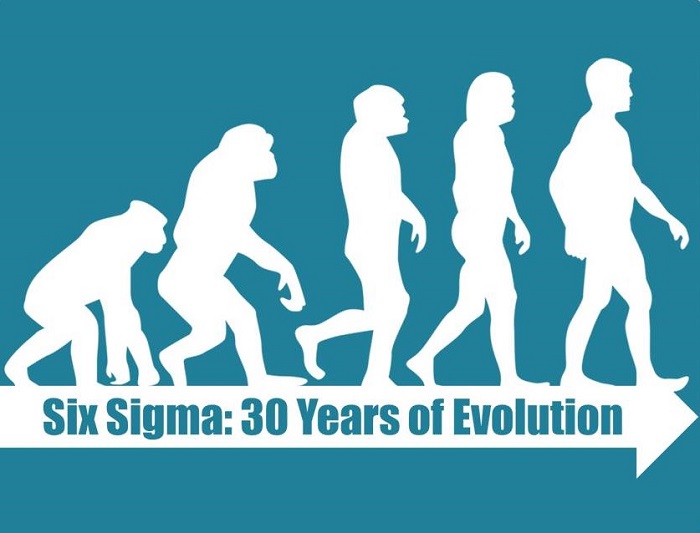
According to many business developments and quality improvement professionals, Six Sigma is the most widely held management methodology in history. Six Sigma is certainly a very big industry in its right, and Six Sigma is now a huge 'brand' in the world of corporate development. Six Sigma began in 1986 as a statistically-based method to reduce defects in electronic manufacturing processes in Motorola Inc in the USA. Today, Six Sigma is used as an all-embracing business performance methodology, all over the world, in organizations as diverse as local government sectors, prisons, hospitals, the armed forces, banks, and multi-nationals organizations.

Six Sigma Basics

Since the 1920's the word 'Sigma' has been used by statisticians and engineers as a mark for a unit of measurement in product quality variation. (Note it's Sigma with a small 's' because in this context Sigma is a generic unit of measurement.)

Six Sigma - Introduction

What is Quality?

Quality is a result of the continual fight to overcome our threats. The degree to which a set of characteristics fulfills requirements. Quality is never achieved by an accident. It is always the result of creative efforts.

Six Sigma Quality Assurance

Why Do We Need Quality?

  • Customer Quality expectations are higher always

  • Cost of poor quality

  • Quality is a competitive issue

  • Quality is must for survival

  • Quality is cost effective

Syndicate content