Updated on 21 September 2026. What’s new: passing score corrected to HRCI's scaled 500 on a 100-700 scale, replacing the percentage the old article gave.
SPHRi is the senior HR credential for people whose work sits outside the United States, or spans several countries at once. It certifies strategy, policy and people-management judgement without testing US employment law, which is exactly what separates it from SPHR. The exam has 140 questions, runs for 165 Minutes plus 30 minutes administration time, and costs an Exam Fee of $495 plus an Application Fee of $100.

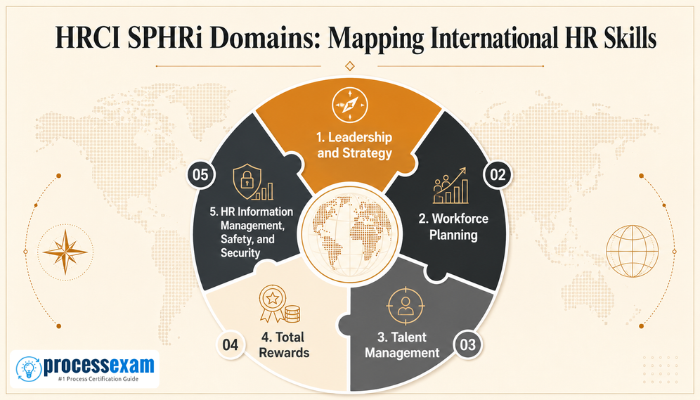
That one difference matters more than most candidates expect. An HR director in Dubai, Nairobi, Singapore or Warsaw who studies for SPHR spends weeks on FLSA, FMLA, Title VII and the NLRA, and then answers questions about a legal system that will never appear in their working life. SPHRi removes that layer and replaces it with what senior HR leaders actually do anywhere in the world: set HR strategy, build workforce plans, design total rewards, manage talent and govern people data.
This guide covers who should choose SPHRi over its US sibling, whether you qualify to apply, what the exam looks like on the day, what HRCI's current exam content outline asks of you, and how to build a preparation plan that fits around a full-time senior role.

 To achieve the professional designation of HRCI Senior Professional in Human Resources - International from the HRCI, candidates must clear the SPHRi Exam with the minimum cut-off score. For those who wish to pass the HRCI HR Senior Professional in Human Resources - International certification exam with good percentage, please take a look at the following reference document detailing what should be included in HRCI HR Senior Professional in Human Resources - International Exam preparation.


