
Navigating the HRCI SPHRi: A Masterclass for Elite HR
The HRCI Senior Professional in Human Resources - International (SPHRi) certification solidifies a human resources professional's mastery of international HR competencies and strategic leadership across diverse global landscapes. This credential, designated by the HR Certification Institute (HRCI), is designed for experienced HR leaders and practitioners worldwide who manage human resources programs, policies, and operations that cross country borders. Successfully achieving the SPHRi validates an individual’s ability to develop HR strategies that support global organizational objectives, understand multinational employment laws, and lead multicultural workforces effectively. This comprehensive guide will illuminate the pathways to preparing for the HRCI SPHRi exam, exploring its structure, core benefits, and the strategic knowledge it imparts.
Defining the SPHRi Credential's Value
The HRCI SPHRi certification represents a globally recognized benchmark for senior HR professionals operating in an international context. It confirms a professional’s expertise in strategic HR leadership, policy formulation, and talent management across various cultural and legal environments outside of the United States. Candidates for this advanced certification typically hold significant experience, demonstrating a profound understanding of global HR principles and their practical application. The SPHRi serves as a clear indicator of a practitioner's capability to navigate complex international HR challenges and contribute to an organization's strategic goals on a global scale.
Eligibility Criteria for SPHRi Candidacy
To qualify for the HRCI SPHRi certification exam, individuals must meet specific professional experience requirements, reflecting the credential's advanced nature. These criteria ensure that candidates possess a solid foundation of practical HR knowledge and strategic involvement.
The eligibility pathways include:
-
Four years of professional HR experience with a Master’s degree or higher.
-
Five years of professional HR experience with a Bachelor’s degree.
-
Seven years of professional HR experience with a high school diploma or its global equivalent.
Meeting these prerequisites is essential before applying, as they confirm a candidate's readiness for an exam that assesses high-level strategic international HR competencies. More details can be found on the official HRCI SPHRi page.
Exam Logistics for the SPHRi Certification
Understanding the practical details of the HRCI SPHRi examination is crucial for effective planning and preparation. The exam is structured to rigorously assess a candidate's strategic HR knowledge and application within an international framework.
Key details about the exam include:
-
Exam Name: HRCI Senior Professional in Human Resources - International
-
Exam Code: SPHRi
-
Exam Price: USD $495
-
Duration: 165 Minutes plus 30 minutes administration time
-
Number of Questions: 140
-
Passing Score: 74%
These parameters define the challenge ahead, giving prospective candidates a clear picture of what to expect on exam day. Candidates should familiarize themselves with the testing environment and format well in advance.
Mastering the SPHRi Exam Content Domains
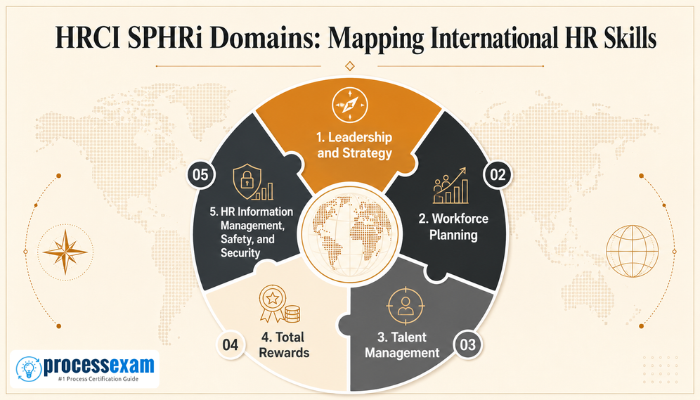
The HRCI SPHRi exam syllabus is meticulously designed to cover critical areas of international human resource management, segmented into distinct functional domains. A thorough understanding of each domain and its respective weightage is fundamental for successful exam preparation.
The SPHRi exam content outline includes:
-
Leadership and Strategy (33%): This domain focuses on the HR professional's role in organizational strategy development, global business acumen, workforce planning, and leadership effectiveness in a multinational context. It includes understanding global economic trends, organizational design, and change management across borders.
-
Workforce Planning and Talent Acquisition (17%): Covers the strategic approaches to identifying, attracting, and recruiting talent internationally. This includes global sourcing strategies, employment branding, selection processes, and compliance with international labor laws and immigration regulations.
-
Talent Management (23%): Explores various aspects of developing, retaining, and managing a diverse global workforce. Topics include performance management systems, employee relations, learning and development, succession planning, and career management in a multicultural environment.
-
Total Rewards (17%): Addresses the complexities of designing and administering compensation and benefits programs for an international workforce. This domain includes understanding global pay structures, equity compensation, benefits administration, and compliance with local tax and regulatory requirements worldwide.
-
HR Information Management, Safety, and Security (10%): Encompasses the application of HR technology, data analytics, and information security in a global setting. It also covers workplace health, safety, and security protocols, and risk management strategies relevant to international operations.
Each domain represents a vital component of strategic international HR, requiring candidates to demonstrate both theoretical knowledge and practical application capabilities. Further exploration of these domains can enhance preparation, which is available in the official SPHRi exam content outline.
Realizing the Benefits of SPHRi Certification
Earning the HRCI SPHRi certification offers a multitude of professional advantages, positioning individuals as expert leaders in the global HR arena. This credential goes beyond mere knowledge, signifying a strategic mindset and proven ability to navigate the complexities of international human resources.
The key benefits include:
-
Enhanced Global Credibility: The SPHRi is a globally recognized mark of excellence, instantly signaling advanced proficiency in international HR practices to employers, colleagues, and clients worldwide.
-
Career Advancement Opportunities: Certified professionals are often prioritized for senior-level global HR roles, demonstrating their strategic capability and commitment to the profession.
-
Increased Earning Potential: Studies often show a positive correlation between professional certifications like the SPHRi and higher salary expectations, reflecting the specialized skills and knowledge validated by the credential.
-
Expanded Professional Network: Joining the ranks of SPHRi-certified professionals opens doors to an exclusive network of global HR leaders, fostering collaboration and knowledge sharing.
-
Demonstrated Expertise: The certification verifies a deep understanding of global HR strategy, workforce planning, talent management, total rewards, and HR information management across diverse international contexts.
These benefits collectively underscore the SPHRi's role as a catalyst for professional growth and recognition in an increasingly interconnected business world.
Crafting an Effective SPHRi Preparation Strategy
Preparing for the HRCI SPHRi exam demands a systematic and disciplined approach, given the breadth and depth of the content. A well-structured study plan is essential to cover all domains thoroughly and build the necessary confidence for success. Effective preparation extends beyond memorization, requiring candidates to internalize concepts and apply them to complex international HR scenarios.
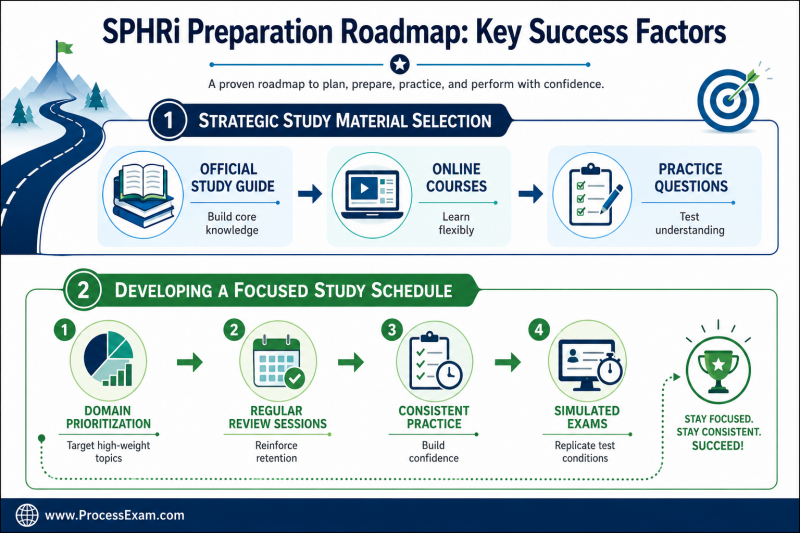
Strategic Study Material Selection
Choosing the right study resources is a cornerstone of SPHRi exam preparation. While HRCI provides recommended resources, candidates should supplement these with a variety of materials to gain multiple perspectives and solidify their understanding.
Consider incorporating:
-
Official HRCI Study Guide: This is often the most authoritative resource, directly aligned with the exam content outline. It provides detailed explanations of core concepts and often includes practice questions.
-
Reputable Online Training Courses: Many platforms offer structured courses specifically designed for the SPHRi. These often include video lectures, interactive modules, and quizzes to reinforce learning. Look for courses that align with the current exam content outline.
-
Practice Questions and Answers: Engaging with a diverse set of practice questions is vital. This helps candidates become familiar with the exam format, question types, and time management. It also identifies areas requiring further study. For comprehensive practice, consider resources like those found on ProcessExam’s HRCI SPHRi offerings.
-
International HR Textbooks and Articles: Supplementing official materials with academic texts and current industry articles on global HR trends can provide broader context and deeper insights into complex topics.
A multi-faceted approach to study material ensures a well-rounded and robust understanding of the HRCI SPHRi domains.
Developing a Focused Study Schedule
A structured study schedule is paramount for covering the extensive SPHRi syllabus within a realistic timeframe. Breaking down the content into manageable segments and allocating dedicated study periods ensures consistent progress and prevents burnout.
Key elements of an effective schedule include:
-
Domain Prioritization: Allocate more study time to domains with higher weightage or areas where personal knowledge is weaker. The syllabus percentages are a clear guide for this.
-
Regular Review Sessions: Integrate periodic review sessions to revisit previously studied material. This reinforces learning and helps with long-term retention of critical concepts.
-
Consistent Practice: Incorporate daily or weekly practice question sessions. This not only builds familiarity with the exam format but also enhances critical thinking and problem-solving skills under timed conditions.
-
Simulated Exams: Towards the latter part of preparation, take full-length practice exams under simulated conditions. This helps in managing time, building stamina, and reducing exam day anxiety.
Consistency and adaptability are key to a successful study schedule, allowing for adjustments based on progress and challenges encountered.
Sustaining SPHRi Certification Through Renewal
Maintaining the HRCI SPHRi certification is a testament to an HR professional's ongoing commitment to continuous learning and development in the dynamic field of international human resources. The HRCI requires certificants to renew their credentials periodically by earning Continuing Professional Development (CPD) credits.
The renewal process typically involves:
-
Accumulating a specified number of continuing education credits (recertification units) over a three-year cycle. These credits can be earned through various professional development activities such as attending seminars, webinars, conferences, teaching, authorship, or completing academic courses.
-
Submitting a renewal application and paying the associated fee within the recertification cycle.
This recertification process ensures that SPHRi holders remain current with the latest trends, best practices, and regulatory changes in international HR, thus preserving the value and relevance of their credential.
Contrasting SPHRi with GPHR for Global HR Professionals
When considering advanced international HR certifications, professionals often compare the HRCI SPHRi with the HRCI Global Professional in Human Resources (GPHR). While both validate global HR expertise, they cater to slightly different experience levels and strategic focuses. The SPHRi is specifically tailored for senior-level HR professionals, emphasizing strategic leadership and the management of HR policies and programs across international borders. It assumes a higher degree of strategic involvement and decision-making authority.
The GPHR, while also global in scope, is designed for HR professionals who are implementing global HR strategies and managing international operations. It focuses more on the tactical execution and practical application of global HR policies, often requiring a slightly broader range of experience levels, including those with substantial generalist HR backgrounds. Both certifications are highly respected and demonstrate a commitment to global HR excellence; the choice often depends on an individual's current role, career aspirations, and strategic involvement in multinational HR functions.
SPHRi's Impact on Salary Expectations
The HRCI SPHRi certification frequently correlates with elevated salary expectations, reflecting the advanced strategic expertise it validates. Professionals holding the SPHRi are positioned as invaluable assets capable of navigating complex international HR landscapes, a skill set highly sought after by global organizations. While actual salaries vary based on geographical location, industry, company size, and specific role responsibilities, SPHRi certification holders often command higher compensation compared to their uncertified peers in similar senior international HR positions. This premium reflects the strategic impact SPHRi professionals have on global workforce management, talent acquisition, and organizational development. The investment in achieving the SPHRi often translates into significant returns in career growth and financial reward.
The HRCI SPHRi certification stands as a testament to an HR professional's strategic acumen and mastery of global human resources. It is not merely an accolade but a validation of the critical skills required to lead and innovate in multinational environments. Pursuing the SPHRi is a strategic investment in one's career, opening doors to advanced roles, fostering professional growth, and enhancing earning potential. With dedicated preparation and a commitment to continuous learning, aspiring HR leaders can successfully navigate this challenging exam and solidify their position as elite HR professionals on the global stage.
For those ready to elevate their international HR career and demonstrate unparalleled strategic competence, the HRCI SPHRi is a definitive pathway. Embark on this journey with comprehensive study and leverage trusted resources to ensure your success. Discover more about effective preparation and practice options to master this elite certification by visiting our expert guides.
Frequently Asked Questions
1. What is the HRCI SPHRi certification?
The HRCI SPHRi (Senior Professional in Human Resources - International) is a globally recognized credential for senior HR professionals who formulate and implement HR policies and programs that are international in scope.
2. Who should consider taking the HRCI SPHRi exam?
This certification is ideal for experienced HR leaders and practitioners who manage HR programs, policies, and operations across country borders and wish to validate their strategic international HR expertise.
3. What are the eligibility requirements for the SPHRi?
Eligibility varies based on education level: 4 years of professional HR experience with a Master’s degree, 5 years with a Bachelor’s degree, or 7 years with a high school diploma or global equivalent.
4. How does the SPHRi differ from the GPHR?
The SPHRi focuses more on strategic leadership and policy formulation for senior HR professionals in international roles, whereas the GPHR emphasizes the implementation and tactical application of global HR strategies.
5. How do I maintain my HRCI SPHRi certification?
To maintain the SPHRi, certificants must accumulate a specified number of continuing professional development (CPD) credits over a three-year recertification cycle and submit a renewal application with the associated fee.
- Strategic Certification |
- HRCI HR Senior Professional in Human Resources - International Test Questions |
- SPHRi Question Bank |
- HRCI HR Senior Professional in Human Resources - International Book |
- HR Senior Professional in Human Resources - International Certification Cost |
- HR Senior Professional in Human Resources - International Certification Requirements |
- HRCI HR Senior Professional in Human Resources - International Sample Questions |
- SPHRi Exam Questions Download |
- SPHRi Test Questions |
- HR Senior Professional in Human Resources - International PDF


