
The Pega CPSSA Secret Reshaping Senior Careers

The Certified Pega Senior System Architect (CPSSA) certification, identified by exam code CPSSA, stands as a pivotal credential for experienced Pega professionals aiming to validate their advanced expertise in designing and building Pega applications. This certification is specifically tailored for Senior System Architects who are proficient in leveraging the Pega Platform to develop complex business solutions, focusing on application architecture, data integration, and system security. Professionals seeking to demonstrate their capability in leading Pega development projects and ensuring optimal system performance will find this credential essential. This article delves into the core aspects of the CPSSA exam, its profound impact on career trajectories, and provides insights into effective preparation strategies, preparing candidates to harness the full potential of Pega for career acceleration.
The Certified Pega Senior System Architect Role: Architects of Digital Transformation
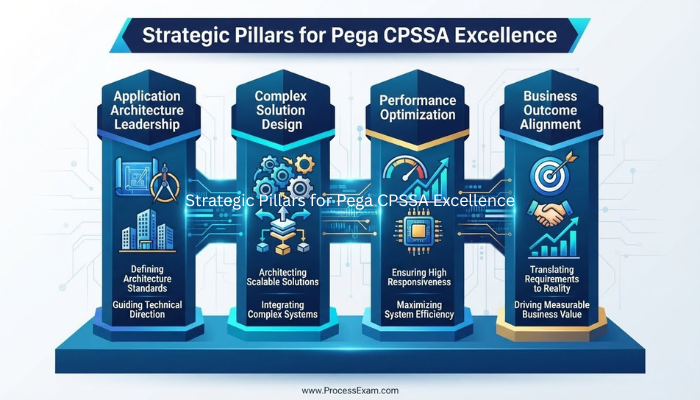
A Certified Pega Senior System Architect is more than just a developer; they are the architects translating complex business requirements into robust, scalable Pega solutions. This role demands a deep understanding of the Pega Platform's capabilities, an ability to design intricate case types, and the skill to integrate diverse systems seamlessly. CPSSA professionals are instrumental in driving digital transformation initiatives within organizations, ensuring that Pega applications are not only functional but also optimized for performance, maintainability, and future scalability. Their expertise bridges the gap between high-level business strategy and technical implementation, making them indispensable assets in any Pega ecosystem.
Defining Senior System Architect Contributions
Senior System Architects contribute significantly to the entire application lifecycle, from conceptual design to deployment and ongoing optimization. They are often responsible for leading development teams, mentoring junior architects, and ensuring adherence to Pega best practices and corporate standards. Their involvement typically includes architectural decisions, complex rule configurations, performance tuning, and the implementation of sophisticated business logic. This level of contribution requires not only technical prowess but also strong problem-solving and leadership qualities to guide projects to successful completion.
Strategic Impact on Business Outcomes
The strategic impact of a CPSSA extends beyond technical delivery. By designing efficient and effective Pega solutions, they directly influence business agility, customer experience, and operational efficiency. Their work enables organizations to automate processes, streamline workflows, and adapt quickly to market changes, ultimately contributing to tangible business outcomes such such as cost reduction, revenue growth, and enhanced customer satisfaction. The certification validates a professional's ability to drive these high-level impacts, making them valuable strategic partners within their organizations.
Exam Essentials for CPSSA Candidates: Decoding the Certification Process
Understanding the structure and requirements of the Certified Pega Senior System Architect (CPSSA) exam is the first critical step toward achieving certification. The exam validates a candidate's readiness to perform at an advanced level within the Pega ecosystem. Candidates should meticulously review the official exam details to ensure they are fully prepared for the assessment. This clarity on the examination process helps in setting realistic study goals and managing expectations effectively, reducing pre-exam anxiety.
Understanding the Exam Format and Logistics
The CPSSA certification exam, with its code CPSSA, is structured to thoroughly evaluate a candidate's comprehensive knowledge and practical skills. It consists of 60 questions that must be completed within a 90-minute duration. To successfully pass the examination, candidates need to achieve a passing score of 70%. The exam price is USD $190, reflecting the value and recognition associated with this advanced Pega credential. Preparing for this format involves not just knowing the material but also practicing time management to ensure all questions can be addressed accurately.
Financial Considerations and Value
While the exam fee of USD $190 is a direct cost, the investment in CPSSA certification extends far beyond this figure. It encompasses time dedicated to study, potential costs for training materials or courses, and the opportunity cost of other activities. However, the value proposition is substantial, including enhanced career prospects, higher earning potential, and a solidified professional reputation. This certification serves as a benchmark for advanced Pega skills, opening doors to more challenging and rewarding roles within the industry. For a deeper dive into the certification path, candidates can visit the official Pega certification page.
Mastering Pega Application Development Domains: A Blueprint for Success
The Certified Pega Senior System Architect syllabus is meticulously designed to assess a candidate's expertise across several core domains crucial for building sophisticated Pega applications. Each domain represents a fundamental area of Pega development, with specific weightages indicating their importance in the overall examination. A balanced study approach across these topics is essential for comprehensive preparation, ensuring no critical area is overlooked. Understanding these domains helps candidates focus their study efforts where they are most needed.
-
Application Development (30%): This significant portion of the exam focuses on a candidate's ability to design, build, and optimize Pega applications. It includes topics such as creating application structures, defining rules, managing versions, and implementing various development best practices. Candidates must demonstrate proficiency in constructing scalable and maintainable Pega solutions that align with business requirements.
-
Case Management (20%): Essential for creating dynamic business processes, this section evaluates skills in designing case types, stages, steps, and associated data models. It covers advanced topics like service level agreements (SLAs), routing, and implementing complex flow logic to ensure efficient processing of work within an application.
-
Data and Integration (20%): This domain assesses the ability to manage data within Pega applications and integrate with external systems. Key areas include data modeling, data pages, connectors, and services. Proficiency in retrieving, processing, and storing data, as well as establishing seamless communication with external databases, APIs, and other enterprise systems, is vital.
-
User Experience (5%): Though a smaller percentage, User Experience focuses on creating intuitive and effective user interfaces (UIs) within Pega applications. It includes topics like designing responsive UIs, leveraging Pega UI controls, and ensuring accessibility and usability for end-users. A well-designed UI is critical for user adoption and satisfaction.
-
System Administration (15%): This section covers the knowledge required to configure, monitor, and maintain Pega applications and environments. Topics often include security settings, access control, performance tuning, and deployment strategies. Understanding system administration ensures applications run efficiently and securely post-development.
-
Security (10%): Crucial for protecting sensitive data and operations, this domain evaluates a candidate's understanding of Pega security features. It encompasses access groups, roles, privileges, authentication, and authorization mechanisms. Implementing robust security measures is paramount for any enterprise-grade application.
Strategic Preparation for the Pega CPSSA Exam: Cultivating Mastery
Effective preparation is the cornerstone of success for the Certified Pega Senior System Architect exam. It requires a structured approach that goes beyond mere memorization, focusing instead on deep understanding and practical application of Pega principles. Aspiring CPSSAs should engage in a rigorous study regimen, utilize high-quality resources, and practice consistently to solidify their knowledge and build confidence. A well-thought-out strategy transforms complex topics into manageable learning objectives.
Developing a Robust Study Plan
A personalized study plan is vital for covering the extensive CPSSA syllabus effectively. Begin by assessing your current knowledge against the exam topics and identify areas requiring more attention. Allocate dedicated study time each day or week, ensuring a balance across all domains. Consider breaking down complex topics into smaller, digestible modules. Regularly review previously learned material to reinforce retention and build a strong foundational understanding of core Pega concepts.
Leveraging Official Resources and Training
Pega provides a wealth of official resources that are indispensable for CPSSA preparation. The Pega documentation portal offers comprehensive guides, best practices, and release notes that serve as primary references for technical details. Additionally, Pega Academy offers structured online training modules specifically designed to align with certification objectives. Engaging with these official resources ensures accuracy and relevance in your study efforts, directly reflecting the exam's focus.
Importance of Practice and Self-Assessment
Regular practice is critical for internalizing Pega concepts and developing problem-solving skills under timed conditions. Utilize sample questions and practice exams to simulate the actual test environment. This not only helps in identifying knowledge gaps but also improves time management and reduces test-day anxiety. Ethical preparation, which includes avoiding shortcuts and dump sites, ensures genuine skill development. Candidates can find valuable practice exam resources to gauge their readiness at ProcessExam, offering a robust platform for self-assessment.
Unlocking Career Progression with Pega CPSSA: Elevating Professional Standing
Attaining the Certified Pega Senior System Architect certification is a powerful catalyst for significant career progression within the competitive field of enterprise software development. It signals to employers and peers that an individual possesses validated, advanced skills in Pega, setting them apart in a global talent pool. This credential not only opens doors to new opportunities but also solidifies one's position as a leader in Pega technology, demonstrating a commitment to excellence and continuous professional growth.
Enhancing Marketability and Earning Potential
The CPSSA certification is a clear differentiator in the job market, significantly boosting a professional's marketability. Companies actively seek certified individuals who can contribute immediately and effectively to complex Pega projects. This demand often translates into higher salary expectations and more attractive compensation packages compared to non-certified peers. The investment in certification frequently yields a substantial return in terms of increased earning power and job security, especially in growing markets like Pega India careers.
Expanding Job Opportunities and Leadership Roles
With CPSSA credentials, professionals are qualified for a broader range of senior-level positions, including Lead System Architect, Solutions Architect, and even roles in technical leadership or consulting. The certification demonstrates the capability to handle intricate architectural challenges and lead cross-functional teams. It signifies a readiness to take on greater responsibilities, influence project direction, and drive impactful decisions within an organization, moving beyond basic development tasks to strategic oversight.
Sustaining Pega Expertise: A Continuous Learning Path
Achieving the Certified Pega Senior System Architect certification is a significant milestone, but it also marks the beginning of a continuous journey of learning and adaptation. The Pega Platform evolves rapidly, with new features, updates, and best practices emerging regularly. Maintaining relevance and expertise in this dynamic environment requires a proactive approach to professional development, ensuring that certified professionals remain at the forefront of Pega innovation. This ongoing commitment to learning underpins long-term career success.
Beyond Certification: Practical Application
The true value of CPSSA certification is realized through its practical application in real-world scenarios. Continuously seeking opportunities to apply advanced Pega knowledge on complex projects, contributing to new feature development, and optimizing existing systems are crucial for cementing expertise. Engaging with the Pega community, participating in forums, and sharing knowledge with peers also enhance learning and provide diverse perspectives on problem-solving. Active involvement keeps skills sharp and relevant.
Building a Professional Network
Networking within the Pega community is invaluable for career growth and sustaining expertise. Connecting with other certified professionals, Pega experts, and industry leaders can lead to mentorship opportunities, collaborative projects, and insights into emerging trends. Conferences, webinars, and local user groups provide excellent platforms for expanding your professional network and staying informed about advancements in the Pega ecosystem. These connections often open doors to unforeseen career paths and collaborations.
Conclusion
The Certified Pega Senior System Architect certification represents a critical milestone for professionals aiming to solidify their expertise and advance their careers within the Pega ecosystem. It not only validates advanced technical skills but also underscores a capacity for strategic thinking and leadership in digital transformation. By carefully navigating the exam requirements, committing to comprehensive preparation, and embracing continuous learning, aspiring CPSSAs can unlock unparalleled opportunities. Seize this opportunity to elevate your professional trajectory and become a pivotal force in shaping the future of Pega solutions. Begin your journey toward becoming a Certified Pega Senior System Architect by exploring detailed study resources and practice options today.
For additional preparation resources and to enhance your exam readiness, visit ProcessExam.com for comprehensive study materials and practice tests tailored to your certification goals.
FAQs
1. What is the Certified Pega Senior System Architect (CPSSA) certification?
The Certified Pega Senior System Architect (CPSSA) is an advanced certification for experienced Pega professionals, validating their expertise in designing and building complex Pega applications, including application architecture, data integration, and system security.
2. Who should pursue the Pega CPSSA certification?
The CPSSA certification is ideal for Senior System Architects and experienced Pega developers who wish to validate their advanced skills in the Pega Platform, lead development projects, and make significant architectural contributions to Pega solutions.
3. What are the prerequisites for the CPSSA exam?
Pega typically recommends candidates have significant hands-on experience (e.g., 2+ years) as a Pega Senior System Architect or a similar role, along with a strong understanding of Pega application development, before attempting the CPSSA exam.
4. How long is the CPSSA certification valid?
Pega certifications typically do not have an explicit expiration date; however, Pega encourages professionals to keep their skills current by pursuing new certifications or updates as the Pega Platform evolves. It's best to check the official Pega Academy for the most up-to-date policy on certification validity.
5. What kind of job roles can I pursue after getting Pega CPSSA certified?
CPSSA certification can open doors to roles such as Lead Pega System Architect, Senior Pega Consultant, Solutions Architect, or Technical Lead. These roles often involve leading project teams, designing enterprise-level solutions, and making critical architectural decisions within the Pega ecosystem.
- System Architect |
- Pega Senior System Architect Test Questions |
- Pega Senior System Architect Book |
- Senior System Architect Certification Cost |
- Senior System Architect Certification Requirements |
- Pega Senior System Architect Sample Questions |
- Senior System Architect PDF |
- CPSSA Question Bank |
- CPSSA Exam Questions Download |
- CPSSA Test Questions |
- PEGACPSSA25V1 Mock Exam |
- PEGACPSSA25V1 Simulator |
- PEGACPSSA25V1 Book |
- PEGACPSSA25V1 Certification |
- PEGACPSSA25V1 Certification Cost |
- PEGACPSSA25V1 Certification Requirements |
- PEGACPSSA25V1 Question Bank |
- PEGACPSSA25V1 Study Guide |
- PEGACPSSA25V1 |
- PEGACPSSA25V1 Exam Questions |
- PEGACPSSA25V1 PDF |
- PEGACPSSA25V1 Sample Questions


