
HRCI PHR Success: The Resources Nobody Tells You About

The HRCI Professional in Human Resources (PHR) certification stands as a testament to foundational knowledge and practical expertise in HR operations. This globally recognized credential, offered by the HR Certification Institute (HRCI), validates a professional's mastery of the technical and operational aspects of HR practices. Aimed at HR practitioners who possess a solid grasp of HR principles and policies rather than strategic planning, the PHR exam (Exam Code: PHR) is a crucial step for individuals seeking to solidify their expertise and advance their careers. This comprehensive article delves into invaluable resources and strategies for HRCI PHR exam preparation, often overlooked by many candidates, offering a curated roundup of books, courses, and practice tests designed to maximize your success.
HRCI Professional in Human Resources (PHR) Examination Breakdown
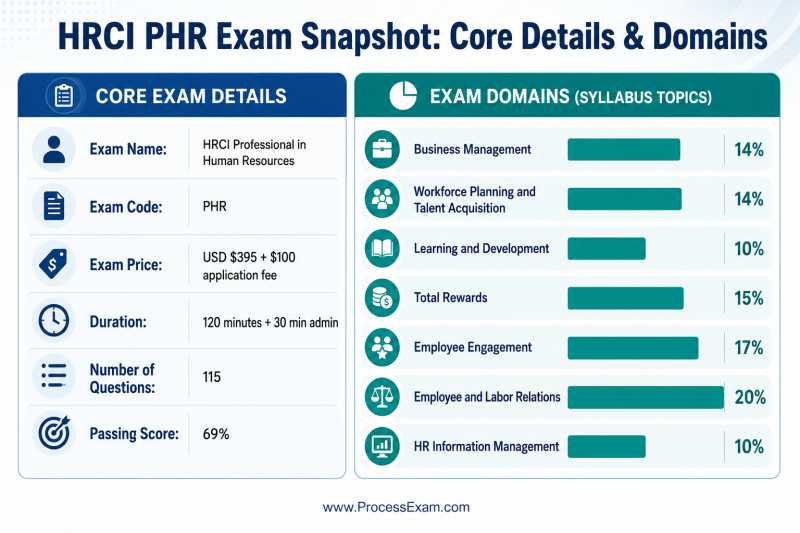
Understanding the structure of the HRCI PHR exam is the first critical step toward effective preparation. The PHR certification assesses a candidate's operational and technical knowledge of HR practices, covering a broad spectrum of HR functions. This exam is designed for HR professionals who implement policies and programs, manage day-to-day HR operations, and typically have a professional level of experience.
The specific details of the exam are as follows:
| Exam Name | HRCI Professional in Human Resources |
|---|---|
| Exam Code | PHR |
| Exam Price | The exam fee is USD $395, in addition to an application fee of USD $100. |
| Duration | Candidates are allotted 120 minutes for the exam, plus an additional 30 minutes for administrative tasks. |
| Number of Questions | The exam consists of 115 questions. |
| Passing Score | A score of 69% is required to pass the certification exam. |
This structure ensures a thorough evaluation of an HR professional's capability to manage human resource operations effectively. Familiarizing yourself with these foundational metrics allows for more focused study planning.
Maximizing Your Test-Taking Time
The 120-minute duration for 115 questions means candidates have approximately one minute per question, making time management a crucial skill during the exam. Practicing under timed conditions is essential to improve both speed and accuracy. Many candidates underestimate the mental stamina required for a two-hour exam, emphasizing the need for robust preparation beyond just content knowledge.
Charting Your Knowledge: The PHR Syllabus Domains
The HRCI PHR examination is meticulously structured across several key domains, each representing a distinct facet of human resource management. A deep understanding of these areas is essential for anyone aspiring to achieve this certification. Mastering each domain ensures a holistic grasp of the operational aspects of HR.
The syllabus topics and their respective weights are:
| Syllabus Topic | Weight | Focus Area |
|---|---|---|
| Business Management | 14% | Focuses on strategic business acumen, HR's role in organizational effectiveness, and understanding the external environment influencing HR decisions. |
| Workforce Planning and Talent Acquisition | 14% | Covers recruitment strategies, staffing, succession planning, and the legal aspects of hiring. |
| Learning and Development | 10% | Addresses employee training, career development, performance management, and organizational development initiatives. |
| Total Rewards | 15% | Encompasses compensation, benefits, payroll, and reward systems designed to attract and retain talent. |
| Employee Engagement | 17% | Explores methods for fostering positive employee relations, motivation, and retention through various engagement strategies. |
| Employee and Labor Relations | 20% | This is the most heavily weighted section, focusing on legal compliance, disciplinary actions, grievances, and collective bargaining. |
| HR Information Management | 10% | Deals with HR technology, data analytics, HR metrics, and the ethical use of HR information systems. |
Each domain requires dedicated study, with particular emphasis on the higher-weighted sections like Employee and Labor Relations, and Employee Engagement. Successful candidates often create a study plan that allocates time proportionally to these weights.
Strategic Focus on Heavily Weighted Areas
Given that Employee and Labor Relations accounts for 20% of the exam, it demands significant attention in any study regimen. This domain often involves complex legal frameworks and best practices, making a strong understanding of current regulations and compliance standards non-negotiable. Similarly, Employee Engagement, at 17%, requires insight into psychological aspects of the workplace and effective communication strategies.
Elevating Your HR Career: Why PHR Certification Matters
Attaining the HRCI PHR certification offers a multitude of benefits, not just for individual career progression but also for the organizations they serve. This credential signals a commitment to professional excellence and a mastery of essential HR functions, making it a valuable asset in today's competitive job market. Professionals holding the PHR demonstrate a validated understanding of HR operations.
Validating Core HR Competencies
The PHR certification is a tangible validation of a professional's foundational knowledge in human resources. It assures employers that the individual can manage crucial HR tasks, navigate compliance issues, and contribute effectively to an organization's HR department. This formal recognition can distinguish candidates in a crowded field, providing a competitive edge during hiring or promotion cycles. It confirms that the certificate holder is ready to manage the operational challenges inherent in HR roles.
Opening Doors to Enhanced Career Pathways
For many HR professionals, the PHR is a stepping stone to more senior roles and greater responsibilities. It can accelerate career growth, leading to positions such as HR Manager, HR Generalist, or HR Business Partner. The certification demonstrates a proactive approach to professional development, often resulting in increased earning potential. While salary increases vary by industry and location, certified professionals typically command higher salaries than their uncertified counterparts. Moreover, this credential fosters a network of certified peers, enabling valuable professional connections and knowledge sharing.
Cultivating Organizational Credibility and Compliance
A workforce staffed with PHR-certified professionals enhances an organization's HR capabilities and reduces compliance risks. These individuals are well-versed in employment laws and regulations, ensuring that HR practices align with legal requirements and industry best practices. This proactive approach to compliance can mitigate potential legal issues and foster a more ethical and productive work environment. Organizations benefit from the expertise that PHR-certified individuals bring to their HR functions.
Beyond Standard Guides: Curated HRCI PHR Resources
While many HRCI PHR candidates rely solely on official study guides, a wealth of less-publicized resources can significantly enhance your preparation. These curated materials offer diverse perspectives, practical applications, and deeper insights that can be pivotal for exam success. Exploring these varied resources goes beyond rote memorization, fostering a true understanding of HR principles.
Unconventional Textbooks and Academic Journals
Beyond the popular PHR review books, consider delving into academic textbooks focused on specific HR domains, such as labor law, organizational behavior, or compensation and benefits. These offer a more profound theoretical foundation and case studies often missed in review courses. Academic journals in HR also provide cutting-edge research and best practices, equipping you with a broader and more current understanding of the field. Look for texts recommended in university HR programs for a comprehensive approach.
Specialized Online Forums and Professional Networks
Active participation in HR-focused online forums, LinkedIn groups, and professional networking platforms can expose you to real-world HR challenges and solutions. Engaging with seasoned professionals who have already achieved their PHR certification can offer invaluable advice, study tips, and motivation. These platforms provide a community where you can ask questions, share insights, and learn from the collective experience of the HR community. It’s a dynamic environment for learning that complements structured study.
Webinars, Podcasts, and Industry Newsletters
Numerous HR thought leaders and organizations offer free webinars and podcasts covering various HR topics. These resources are excellent for staying updated on current trends, legislative changes, and emerging best practices. Subscribing to industry newsletters from reputable HR associations or legal firms also keeps you informed about critical developments that could be relevant to the exam. This continuous learning approach reinforces your knowledge in an accessible format, often highlighting areas that might be new or rapidly evolving.
Leveraging Real-World HR Scenarios and Case Studies
The PHR exam often tests your ability to apply HR knowledge to practical situations. Beyond theoretical study, seek out real-world case studies in HR, perhaps from business school curriculum or professional development workshops. Analyzing how HR challenges are resolved in different organizational contexts can sharpen your problem-solving skills, which are crucial for the application-based questions on the exam. Discussions around these scenarios with peers can further solidify your understanding.
Refining Your Readiness with Effective Practice
Diligent practice is indispensable for HRCI PHR exam success, transforming theoretical knowledge into practical application. This phase of preparation solidifies understanding, identifies weak areas, and builds confidence for the actual test. Engaging with various forms of practice material ensures a well-rounded approach to exam readiness.
Strategic Use of Practice Questions
Regularly tackling PHR practice questions is non-negotiable. These allow you to become familiar with the exam format, question types, and the level of detail expected. Focus not just on getting the right answer, but understanding why an answer is correct or incorrect. Analyze explanations thoroughly to grasp the underlying HR principle. Look for practice tests that emulate the official exam's difficulty and structure. This iterative process of practice, review, and re-study is key.
Choosing High-Quality Practice Tests
When selecting practice questions, prioritize quality over quantity. Seek out resources that provide detailed explanations for both correct and incorrect answers. ProcessExam offers comprehensive HRCI PHR preparation practice questions designed to mirror the actual exam environment and content. Engaging with these types of resources helps to identify areas where deeper study is required. Remember, the goal is not just to memorize answers but to internalize the rationale behind them.
Simulating the Exam Environment
To truly prepare for test day, practice under simulated exam conditions. This means taking full-length practice tests within the allotted time, without interruptions, and in an environment similar to a testing center. This helps in building stamina, managing test anxiety, and refining your time allocation strategies. Such simulations are crucial for pinpointing areas where you tend to slow down or get stuck, allowing you to address these issues proactively.
Reviewing and Reinforcing Knowledge
After completing practice tests, dedicate ample time to reviewing your performance. Identify the domains where you consistently score lower and focus your subsequent study efforts on those areas. Create flashcards for key terms, definitions, and legal concepts. Revisit your study materials, lectures, or academic notes for targeted reinforcement. This continuous loop of assessment and review ensures that knowledge gaps are systematically closed before the actual HRCI PHR exam.
Securing Your Exam Day: Registration and Logistics
Navigating the registration process and understanding the logistical aspects of the HRCI PHR exam are crucial steps that ensure a smooth journey to certification. Proper planning here eliminates unnecessary stress and allows you to focus purely on preparation. Adhering to the official HRCI guidelines is paramount for a successful registration.
Understanding Eligibility Requirements
Before even considering registration, confirm your eligibility for the PHR certification. HRCI sets specific experience and education requirements. Typically, this involves a combination of a bachelor's degree (or higher) plus 1 year of professional HR experience, or an associate's degree plus 2 years of professional HR experience, or a high school diploma/equivalent plus 4 years of professional HR experience. Verifying these prerequisites upfront saves time and potential disappointment.
The Application and Registration Process
The application process involves creating an account on the HRCI website, submitting your application with details of your education and experience, and paying the application fee. Once approved, you can then schedule your exam through the designated testing provider, often Pearson VUE. It is important to complete the application well in advance of your desired test date, as approval can take some time. Keep all documentation handy to support your claims if audited.
Pre-Exam Preparations and Logistics
In the days leading up to the exam, confirm your test center location and arrival time. Plan your route, considering potential traffic or delays. Ensure you have the required identification documents, as specified by HRCI. Avoid cramming the night before; instead, get a good night's rest and eat a nutritious meal on exam day. These small logistical details contribute significantly to a calm and focused exam experience, allowing you to perform at your best.
Sustaining Exam Momentum: Building a Winning Mindset
Achieving HRCI PHR success extends beyond merely acquiring knowledge; it encompasses cultivating a resilient and focused mindset throughout your preparation journey and on exam day. A positive psychological approach can significantly impact performance, helping you navigate challenges and maintain motivation.
Developing a Structured Study Schedule
A well-organized study schedule provides clarity and direction, reducing feelings of overwhelm. Break down the extensive PHR syllabus into manageable chunks, allocating specific times for each domain. Consistency is more important than intensity; aim for regular, focused study sessions rather than sporadic, marathon cramming. Integrate short breaks to prevent burnout and enhance retention. This systematic approach ensures all topics are covered adequately and helps build confidence.
Prioritizing Self-Care and Well-being
The journey to certification can be demanding, making self-care non-negotiable. Ensure you get adequate sleep, maintain a balanced diet, and incorporate physical activity into your routine. Stress management techniques, such as mindfulness or meditation, can also be incredibly beneficial in keeping anxiety at bay. A healthy body and mind are better equipped to absorb and recall information, directly contributing to your study efficiency and overall well-being during intense preparation periods.
Embracing a Growth Mindset for Challenges
View challenges and setbacks, such as low scores on practice tests, as opportunities for growth rather than failures. A growth mindset encourages persistence and a belief in your ability to improve. Instead of dwelling on errors, analyze them to understand the root cause, learn from them, and adjust your study strategy accordingly. This positive outlook fosters resilience, an essential trait for tackling a rigorous certification exam like the PHR.
Leveraging Accountability and Support Systems
Share your study goals with trusted friends, family, or study partners to create a system of accountability. Having someone to check in with can provide motivation and encouragement. A study group can offer diverse perspectives, facilitate discussions, and help clarify complex topics. External support systems, whether formal or informal, can provide the emotional and intellectual backing necessary to sustain momentum through the arduous preparation for the HRCI PHR exam.
The HRCI PHR certification is a significant milestone for HR professionals dedicated to operational excellence. By strategically utilizing a blend of official materials, unconventional resources, and ethical practice questions, candidates can approach the exam with confidence. Beyond just passing, the preparation journey itself deepens your understanding of human resources, empowering you to contribute more effectively to your organization and advance your career.
Embark on your journey to becoming a certified HR professional with confidence. Leverage high-quality practice exams and comprehensive study materials to ensure you are fully prepared to validate your expertise. For more comprehensive study tools and insights into various certification pathways, explore available resources designed to support your success.
Frequently Asked Questions
1. What is the HRCI PHR certification and who is it for?
The HRCI Professional in Human Resources (PHR) certification is a globally recognized credential for HR professionals with at least 1-4 years of experience, depending on their education level. It validates operational and technical expertise in HR policies and procedures, focusing on implementation rather than strategic direction. It is ideal for individuals who manage HR programs, administer policies, and perform day-to-day HR functions.
2. How long does it typically take to prepare for the HRCI PHR exam?
Preparation time for the HRCI PHR exam varies widely depending on an individual's existing HR knowledge, experience, and study habits. Many candidates dedicate 2-4 months of focused study, averaging 10-15 hours per week. Those with less experience in certain domains or who are new to formal HR study may require a longer preparation period, potentially 5-6 months, to thoroughly cover all syllabus topics.
3. Are there specific study materials recommended for the HRCI PHR exam?
While HRCI provides an exam content outline, it does not endorse specific study materials. Popular resources often include official HRCI study guides (if available), third-party prep books from reputable publishers, online courses, and practice exam platforms. It's often beneficial to use a combination of resources, including those that offer detailed explanations for practice questions, to gain a comprehensive understanding of the material.
4. Is the HRCI PHR certification worth the investment for HR professionals?
Yes, for many HR professionals, the HRCI PHR certification is a worthwhile investment. It enhances professional credibility, validates a solid foundation in HR operations, and can lead to increased career opportunities and higher earning potential. It demonstrates a commitment to the HR profession and provides a competitive edge in the job market, solidifying one's position as a knowledgeable and capable HR practitioner.
5. What happens if I don't pass the HRCI PHR exam on my first attempt?
If you do not pass the HRCI PHR exam on your first attempt, you can retake it. HRCI typically requires a waiting period before you can reschedule, and you will need to pay the exam fee again for each retake. It's crucial to review your score report to identify weak areas and focus your re-study efforts before attempting the exam again. Many candidates benefit from additional practice and targeted review before their next attempt.
- HRCI HR Professional Exam Questions |
- HRCI HR Professional Question Bank |
- HRCI HR Professional Questions |
- HRCI HR Professional Study Guide |
- HRCI PHR Quiz |
- PHR Certification |
- PHR Questions |
- PHR Practice Test |
- PHR Study Guide Material |
- PHR Sample Exam |
- HR Professional Certification |
- HRCI HR Professional Book |
- HR Professional Certification Cost |
- HR Professional Certification Requirements |
- HRCI HR Professional Sample Questions |
- PHR Exam Questions Download |
- PHR Test Questions |
- HR Professional PDF |
- HRCI Professional in Human Resources


